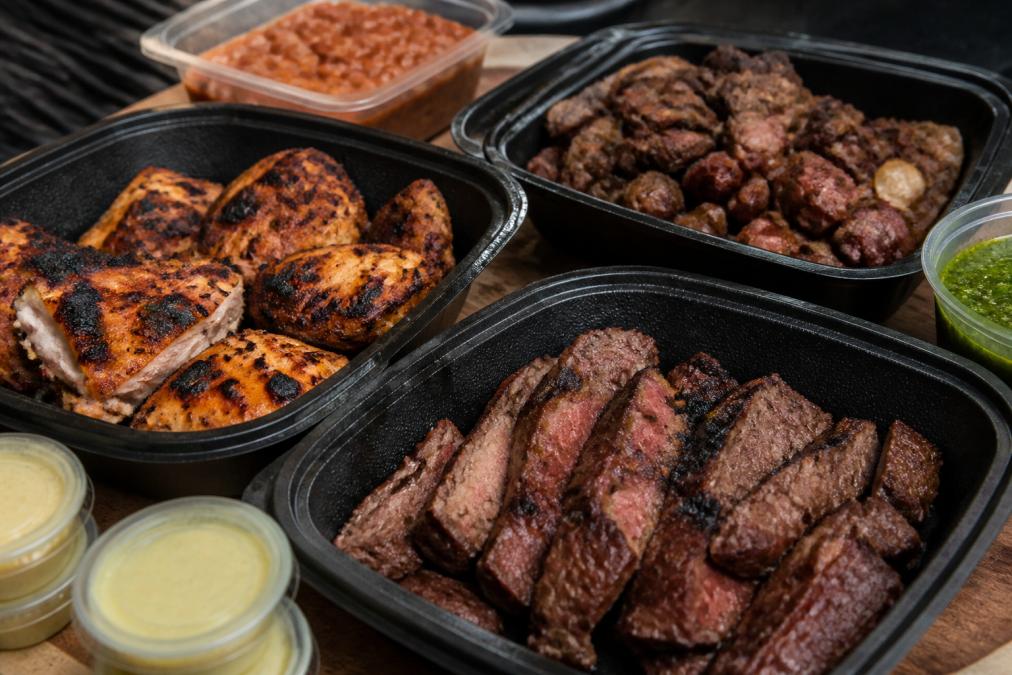
 listicle
High Quality Meat Takeout Near Me: 2026 Guide
Table of Contents
- What Separates High Quality Meat Takeout From Ordinary BBQ
- Quick Comparison: Top Meat Takeout Options
- 1. El Gordo's Grill: Takeout-Focused Grilled Meats With a Secret Marinade
- 2. ButcherBox: Subscription Meat Delivery for Busy Families
- 3. Porter Road: Farm-to-Table Transparency With Hand-Cut Meats
- 4. Snake River Farms: Premium American Wagyu for Special Occasions
- 5. Sonny's BBQ: Family-Style Takeout Bundles for Big Orders
- 6. Southern Steer Butcher: In-Store Custom Cuts and Pre-Marinated Takeout
- How to Transport and Reheat Meat Takeout Without Ruining It
- Frequently Asked Questions
Last Updated: September 21, 2026
What Separates High Quality Meat Takeout From Ordinary BBQ
High quality meat takeout is freshly grilled, properly packaged protein that reaches your table hot, juicy, and ready to eat, not a tray that steamed itself soggy on the drive home. At El Gordo's Grill, we built our entire operation around that distinction. The gap between great meat takeout and forgettable BBQ comes down to three things: sourcing, cook timing, and packaging that respects the food.
Quick Comparison: Top Meat Takeout Options
Before you compare brands, compare categories. "High quality meat takeout near me" pulls up two very different things, and most roundups blur them together:
- Cooked takeout, a restaurant or grill cooks your order to a pickup window and you eat it within minutes. You get dinner handled tonight.
- Raw meat delivery, a butcher or subscription service ships uncooked protein to your door. You get ingredients for a meal you'll cook yourself.
- Raw meat takeout, a butcher shop sells you pre-marinated or custom-cut raw meat you pick up in person and cook at home. It's the middle ground most guides ignore.
| Option | Category | Best For | Format | Standout Feature |
|---|---|---|---|---|
| El Gordo's Grill | Cooked takeout | Weekday lunch and weekend feasts | Takeout-focused grill | Secret marinade, locally sourced |
| Sonny's BBQ | Cooked takeout | Large family orders | Takeout bundles | Slow-smoked family portions |
| Southern Steer Butcher | Raw meat takeout | Custom cuts, ready to cook | In-store butcher | Pre-marinated takeout options |
| ButcherBox | Raw meat delivery | Busy families stocking a freezer | Subscription delivery | Grass-fed, crate-free sourcing |
| Porter Road | Raw meat delivery | Farm-to-table home cooks | Online butcher, a la carte | Hand-cut, dry-aged beef |
| Snake River Farms | Raw meat delivery | Special occasions | A la carte shipping | American Wagyu marbling |
How to read this table
If you want to eat in the next hour, stay in the top two rows. If you want to cook this week, look at the middle row. If you want to stock your freezer for the month, the bottom three rows are your lane.
A quick framework for choosing
- Tonight's dinner, no prep: cooked takeout. Prioritize kitchens that cook to a pickup window.
- This weekend's grill session: raw meat takeout from a local butcher. You get custom cuts and pre-marinated options without a subscription commitment.
- The next 4-8 weeks of meals: raw meat delivery. Compare per-pound pricing and shipping thresholds, not just box price.
- A special occasion: a la carte raw delivery from a premium producer, or a cooked takeout feast from a grill house that scales for groups.
Below, we break down each option in detail, what it does well, who it's for, and how to choose for your table.
1. El Gordo's Grill: Takeout-Focused Grilled Meats With a Secret Marinade
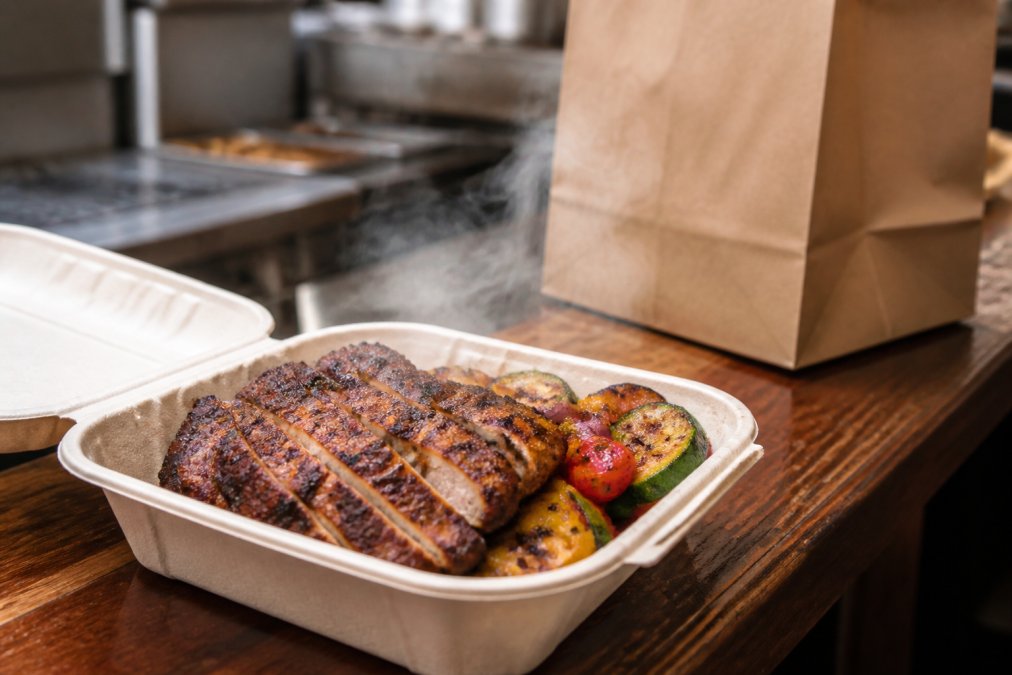
El Gordo's Grill is a takeout-focused grill serving high-quality grilled meats with bold, craveable flavor, built on locally sourced ingredients and a signature secret marinade. If your priority is meat that tastes like it came off the grill five minutes ago, this is the pick.
What Makes El Gordo's Different
The menu is engineered for pickup, not delivery. That means meat hits the grill when your order lands, so it travels the shortest possible distance from flame to container. Weekday lunch specials keep the line moving for people grabbing food between meetings. Weekend orders scale up for families feeding five or more.
Pros and Cons
Pros:
- Takeout-first kitchen design keeps food hot
- Locally sourced ingredients
- Signature marinade adds real flavor depth
- Weekday lunch specials for quick stops
Cons:
- No delivery radius, so pickup is required
- Weekend rush means longer waits without pre-ordering
2. ButcherBox: Subscription Meat Delivery for Busy Families
ButcherBox ships curated boxes of grass-fed beef, free-range organic chicken, and crate-free pork straight to your door. It solves a different problem than takeout: stocking your freezer so dinner is never a last-minute scramble.
3. Porter Road: Farm-to-Table Transparency With Hand-Cut Meats
Porter Road runs an online butcher shop that partners with local farms, then hand-cuts and dry-ages beef in a dedicated facility. Boxes start near $70, and you can order a la carte without a mandatory subscription.
4. Snake River Farms: Premium American Wagyu for Special Occasions
Snake River Farms specializes in American Wagyu beef and Kurobuta pork, with marbling scores that put it in restaurant territory. Individual items start around $50, sold a la carte.
5. Sonny's BBQ: Family-Style Takeout Bundles for Big Orders
Sonny's BBQ leans on slow-smoked brisket, pulled pork, and ribs, sold as family-style bundles with online ordering and curbside pickup. Meals start around $15.
6. Southern Steer Butcher: In-Store Custom Cuts and Pre-Marinated Takeout
Southern Steer Butcher operates physical shops offering custom cuts, pre-marinated meats, and butcher combo deals, with fresh options starting around $12.99 per pound.
How to Transport and Reheat Meat Takeout Without Ruining It
Getting great meat takeout home is half the battle. The other half is keeping it worth eating. Most guides skip this entirely, so here is the operational version: what actually happens to protein between the grill and your table, and how to slow it down.
The 40-to-140 problem
Bacteria multiply fastest between 40°F and 140°F, the range food safety practitioners call the "danger zone." Grilled meat leaves the kitchen above 140°F and drops through that band on the drive home. The goal isn't just warmth; it's minimizing time spent in the middle of that range. A 10-minute commute is fine. A 30-minute one with a detour is not.
Transport rules that actually matter
- Keep the container sealed until you're home. Every time you crack the lid to check, you vent steam, and steam is the only thing keeping the crust from going leathery.
- Don't stack heavy items on top of meat containers. Compression squeezes juices out of the protein and into the bottom of the bag.
- Skip the insulated-bag upgrade for short trips, use it for long ones. A basic thermal bag buys you roughly 15-20 extra minutes above 140°F. For a five-minute drive, it's overkill.
- Ask for sauces and sides on the side. Liquid sitting against grilled meat for 20 minutes turns a crust into a sponge.
Reheating without toughening the protein
Grilled meat is already cooked. Reheating is really just warming, and every degree past 165°F tightens muscle fibers and pushes moisture out. A few patterns that work:
| Method | Setting | Time | Best For |
|---|---|---|---|
| Oven | 300°F, covered | 8-12 min | Larger cuts, brisket, ribs |
| Skillet | Medium-low, splash of liquid | 3-5 min per side | Steaks, chops, sliced meat |
| Microwave | 50% power, covered | 60-90 sec intervals | Last resort, small portions |
| Air fryer | 320°F | 3-5 min | Anything with a crust you want back |
What to do with sides
Soggy sides are almost always a packaging problem, not a cooking one. Keep sauces, slaws, and anything wet in separate containers. If fries or grilled vegetables arrive limp, a 3-4 minute pass in a 400°F oven (not the microwave) restores texture.
Never blast grilled meat in a microwave on high. The protein tightens, the crust goes rubbery, and you lose the texture that made the takeout worth buying in the first place.
The takeout-vs-delivery distinction, applied
Here's the part most guides miss: the transport rules above only apply if you chose takeout. If you ordered delivery, the food has already spent 20-40 minutes in a bag through traffic before it reaches you, and no reheating trick fully recovers a crust that steamed itself soggy. That's why the best meat takeout spots cook to a pickup window rather than a delivery radius.
Frequently Asked Questions
What should I look for when ordering high quality meat takeout?
Look for visible marbling, a good sear on the outside, and juices that run clear when you cut into the meat. Ask whether the restaurant uses fresh cuts or frozen, and whether they source locally. A place that specializes in grilled meats, like El Gordo's Grill, will typically cook to order rather than hold food under a heat lamp. Check that packaging is vented to prevent sogginess and that the order includes reheating instructions if you're not eating immediately.
How can I keep grilled meats fresh during takeout transport?
Bring an insulated bag or cooler if your drive is longer than 15 minutes. Ask the restaurant to pack sauces and sides separately so they don't make the meat soggy. Keep the container vented slightly to release steam, which prevents the crust from getting soft. If you're picking up a large order for a family, place the meat on top of the sides in your bag so it stays warm without being crushed. El Gordo's Grill packs takeout with transport in mind, so the meat arrives ready to eat.
How do I reheat grilled meat without drying it out?
The best method is a low oven at 250°F for 10-15 minutes, covered with foil to trap moisture. Avoid the microwave on high, which toughens meat quickly. If you must use a microwave, place a damp paper towel over the meat and use 50% power in 30-second bursts. For sliced brisket or steak, a quick sear in a hot skillet for 30 seconds per side restores the crust without overcooking the inside. Always let the meat rest for 2-3 minutes before serving.
Are there specific food safety standards for takeout meat?
Yes. Once you receive takeout, eat it within two hours, or refrigerate it within that window. If the meat was cooked and cooled properly, leftovers keep for 3-4 days in the fridge. Reheat leftovers to 165°F. These standards apply to all restaurants, so any reputable takeout spot follows them.
What are the best cuts of meat for family-style takeout meals?
Brisket, pulled pork, and ribs work well for groups because they hold heat and stay tender during transport. For a mix of textures, add sliced sausage or grilled chicken. If you're feeding a family of five, order by the pound rather than individual plates. El Gordo's Grill offers family-sized portions of grilled meats with their signature marinade, which travels well and keeps everyone happy. Pair with sides like rice, beans, and grilled vegetables for a complete meal.