 blog
Rib City vs HW BBQ Recon: Which BBQ Wins in 2026?
Table of Contents
- Rib City vs HW BBQ Recon: The Short Answer
- Rib City Menu: What You Can Order
- H W BBQ Recon Menu: A Different Approach
- Side-by-Side Menu and Price Comparison
- Rib City Ribs Review: Taste, Texture, and Smoke
- Regional BBQ Styles: Where Each Spot Fits
- Practical Visit Info: Service, Takeout, and Timing
- Conclusion: Which BBQ Spot Fits Your Next Meal?
- Frequently Asked Questions
Last Updated: October 19, 2026
Rib City vs HW BBQ Recon: The Short Answer
Rib City vs HW BBQ Recon comes down to a simple split: Rib City is the established, multi-location barbecue chain with a broad menu of ribs, sandwiches, and combination plates, while HW BBQ Recon is a smaller, recon-style barbecue operation built around smoked meats and straightforward sides. If you want a familiar, consistent chain experience with a wide menu, Rib City fits.
The short version: neither spot wins on every count. Rib City wins on variety and predictability. HW BBQ Recon wins on focus. Your next meal should pick the winner.
Rib City Menu: What You Can Order
The Rib City menu is built for people who want options. It leans on a full barbecue spread rather than a single specialty, which is exactly why families and groups gravitate to it.
You'll find baby back ribs, pulled pork, and BBQ sandwiches alongside chicken, combination plates, and classic sides. The structure is familiar: pick a meat, pick your sides, and go. That flexibility is the chain's biggest strength for a group with mixed preferences.
Ribs, Sandwiches, and Combination Plates
The ribs anchor the menu, but the sandwiches and combination plates do the heavy lifting for lunch crowds. A pulled pork sandwich or a combo plate lets you sample more than one meat without committing to a full rack. Combination meals are the practical order for anyone who can't decide, and they're the reason Rib City handles big-group takeout well.
H W BBQ Recon Menu: A Different Approach
HW BBQ Recon takes the opposite tack. Instead of a sprawling menu, it focuses on slow-smoked meats and a short list of sides. The appeal is straightforward: fewer items, more attention per item.
Where a chain spreads its kitchen across dozens of dishes, a recon-style spot tends to concentrate on the core barbecue staples. That usually means brisket, pulled pork, ribs, and smoked meats served with beans, coleslaw, and the like.
Smoked Meats and Sides
The menu centers on smoked meats with classic sides. Expect the familiar barbecue plate format: choose your meat, add beans or coleslaw, and eat. The narrower menu is a feature, not a bug. It signals a kitchen that would rather nail a few cuts than rush a long list.
Side-by-Side Menu and Price Comparison
A note on pricing before the table: barbecue prices move with location, day-part, and portion size, and neither spot publishes a single national price sheet.
| Order | Rib City (typical range) | HW BBQ Recon (typical range) | What to compare |
|---|---|---|---|
| Half rack of baby back ribs | $16-$22 | $15-$21 | Number of bones, whether sides are included |
| Full rack of baby back ribs | $26-$34 | $25-$33 | Bone count and whether slaw/beans come with it |
| Pulled pork sandwich | $9-$13 | $8-$12 | Bun type, meat weight, sauce on the side or on the sandwich |
| Two-meat combo plate | $16-$22 | $15-$21 | Which two meats, number of sides, portion of each meat |
| Family pack (feeds 4) | $45-$70 | $40-$65 | Pounds of meat, number of sides, rolls or bread |
| Side (beans, slaw) | $3-$5 | $3-$5 | Cup vs pint, house-made vs packaged |
Three things that table won't tell you, and how to read them:
1. Bone count is the real rib price. A half rack is usually 6 to 8 bones and a full rack 12 to 14, but that varies by supplier and cut. Two spots can both list a 'full rack' at $29 and differ by two bones. Ask the bone count before you compare the sticker.
2. Combo plates are where the value hides. A two-meat combo at $18 sounds like a deal until you see the meat portions are 4 ounces each.
3. Sandwich weight beats sandwich price. Pulled pork sandwiches range from about 5 ounces to 8 ounces of meat depending on the kitchen.
Where the two models diverge on price:
- Rib City's broad menu spreads your risk. Combination plates and family packs let a group of four order one ticket without anyone settling. The trade-off is that a broad menu means more items, and more items means the kitchen's attention is divided. You're paying for variety and predictability, not for the best possible single cut.
- HW BBQ Recon's focused menu concentrates value. A shorter menu usually means fewer SKUs, less waste, and tighter purchasing on the cuts it does sell. That often shows up as slightly better meat-to-price on the core items (ribs, pulled pork, brisket) and fewer upsell paths. The trade-off is less flexibility for a group with mixed preferences.
USDA Livestock, Poultry, and Grain Market News, wholesale pork and beef cutout reports
The bottom line on price: neither spot is reliably cheaper across the board.
Rib City Ribs Review: Taste, Texture, and Smoke
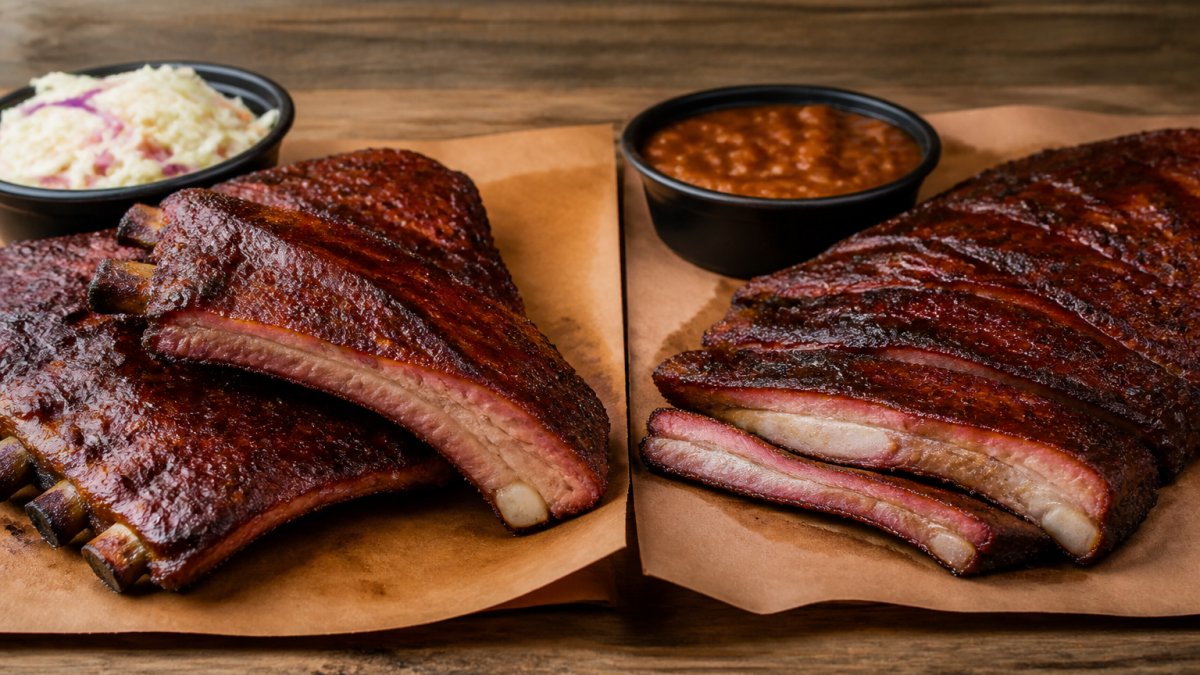
The Rib City ribs review usually lands on the same notes: tender, approachable, and built for a broad audience.
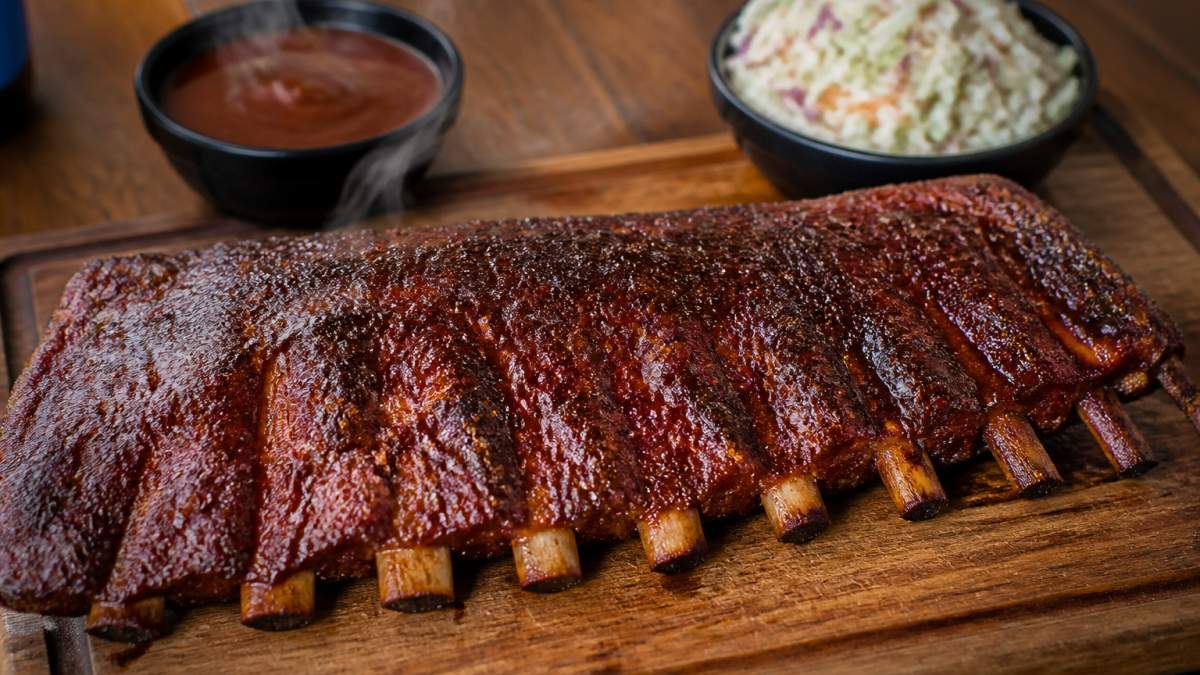
What most guides miss is that "fall-off-the-bone" is a style choice, not a universal standard. Competition-style barbecue often aims for a cleaner bite with a bit of pull.
Regional BBQ Styles: Where Each Spot Fits
Regional style is a useful shortcut, but only if you tie it to what's actually on the plate. A sauce-forward rib and a salt-and-pepper brisket tell you different things about how a kitchen thinks. Here's how to read each spot's style from its menu and its cooking, not from a textbook definition.
The four traditions, in one line each:
- Kansas City: sweet, thick tomato-based sauce; ribs and burnt ends; sauce is a feature, not a condiment.
- Memphis: dry rubs and tangy, vinegar-forward slaw; ribs judged on bark and pull, with sauce optional.
- Texas: brisket and beef-centric plates; simple salt-and-pepper seasoning; sauce is a supporting act, and white bread and pickles are standard.
- Carolinas: vinegar and mustard sauces; whole-hog and pulled pork; slaw is part of the sandwich, not a side afterthought.
Now the head-to-head read:
Rib City reads closest to Kansas City and Memphis. The baby back ribs are the headline, the sauce is tangy and prominent, and the texture leans tender and crowd-pleasing. That's a sauce-forward, pork-centric profile. It is not a pure Memphis dry-rub presentation, and it is not a Texas beef-first menu. If you order ribs at Rib City, judge them on sauce balance and tenderness, because that's the style the kitchen is cooking to.
HW BBQ Recon reads closer to a Texas-leaning, smoke-first approach. A focused menu built around slow-smoked meats, with sauce as a supporting act, is the Texas model applied to a smaller operation.
What to actually look for when you eat, regardless of which spot you pick:
- Bark: the dark crust on smoked meat. A good bark is set, not burnt, and it should taste of rub and smoke, not char.
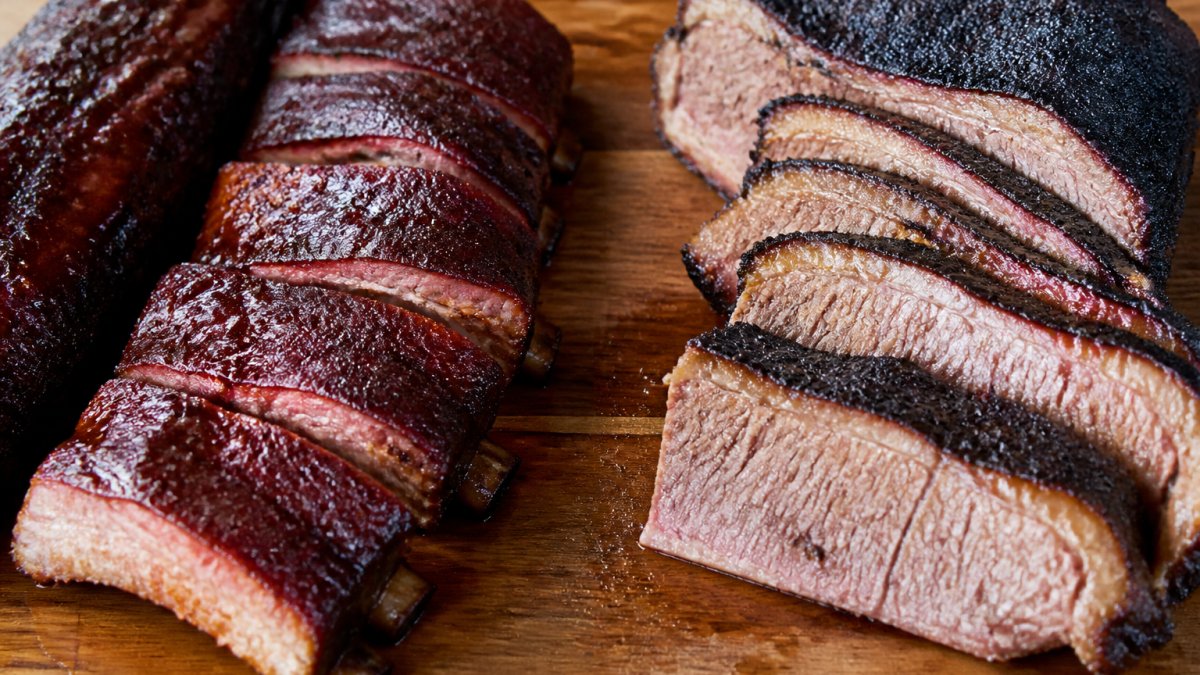
- Smoke ring: the pink band just under the surface on brisket and pork. It's a sign of smoke exposure, not a guarantee of flavor, but its absence on a 'smoked' cut is worth noting.
- Pull vs fall-off-the-bone: competition-style ribs aim for a clean bite with slight resistance; casual-dining ribs often aim for fall-off-the-bone. Both are valid, but they're different products. Match the texture to what you actually want.
- Sauce placement: sauce on the side lets you taste the meat first. Sauce already applied tells you the kitchen wants you to eat it that way. Neither is wrong, but it changes how you should judge the plate.
- Slaw style: a vinegar-forward slaw points toward Memphis or Carolina leanings; a creamy, sweet slaw points toward Kansas City or a more general casual-dining profile.
The practical upshot: if you want sauce and tenderness, Rib City's profile is built for you. If you want to taste smoke and rub before sauce, HW BBQ Recon's profile is the better match. Neither is a knockoff of the other, they're just cooking to different traditions.
Practical Visit Info: Service, Takeout, and Timing
Both spots work for dine-in and takeout, and both are built to handle a weekday lunch or a weekend pickup. The practical difference is order complexity. A broad menu like Rib City's takes a little longer to navigate for a big group, but it accommodates everyone.
A common mistake is ordering a large takeout feast at peak dinner time and expecting it fast. Barbecue is slow by nature, and popular cuts sell out. Call ahead for family-sized orders, confirm what's available, and pick a slightly off-peak window.
Conclusion: Which BBQ Spot Fits Your Next Meal?
Here's the honest split. Choose Rib City when you have a group, want variety, and value a predictable chain experience with tender, sauce-forward ribs. Choose HW BBQ Recon when you want a tighter, smoke-forward menu and you'd rather a kitchen do a few things well than many things adequately.
And if the real question behind Rib City vs HW BBQ Recon is "where do I get bold, grilled flavor without the wait," that's our lane. El Gordo's Grill is a takeout-focused grill built on locally sourced ingredients and a signature secret marinade, with weekday lunch specials for the desk-lunch crowd and family-sized pickups for weekend feasts.
Frequently Asked Questions
What is the difference between Rib City and H W BBQ Recon?
Rib City runs a larger regional chain format with a broad menu of ribs, pulled pork, chicken, and combination plates, plus consistent dine-in and takeout service. H W BBQ Recon is a smaller, more localized operation with a tighter menu focused on smoked meats and house sides. The main differences come down to menu breadth, portion sizes, sauce style, and how each handles large takeout orders. If you want predictable chain consistency, Rib City fits. If you want a smaller-batch, local feel, H W BBQ Recon may suit you better.
Which has better ribs, Rib City or H W BBQ Recon?
It depends on what you want from a rib. Rib City ribs typically come tender with a sweeter, tangy glaze and fall-off-the-bone texture that appeals to casual barbecue fans. H W BBQ Recon leans toward a smokier, more seasoned profile with a firmer bite. If you prefer saucy and tender, Rib City wins. If you want more smoke and bark, H W BBQ Recon is the pick. Order a half rack at each and compare before committing to a full slab for a family meal.
What should I compare when choosing a BBQ restaurant?
Compare five things: menu breadth (do they have ribs, pulled pork, brisket, and sides you actually want), portion size relative to price, sauce style (tangy, sweet, mustard, or vinegar-based), cooking method (slow-smoked versus grilled), and takeout speed. Also check whether the spot handles large family orders and how reviews describe consistency. Regional BBQ styles matter too: Kansas City means sweet and saucy, while other regions lean vinegar or dry rub. Match the style to what you crave.
Which BBQ restaurant offers better value for a meal?
Value depends on portion size, sides included, and whether combination plates bundle multiple meats. Rib City's combination meals typically include a main, one or two sides, and a drink, which makes per-person cost easier to predict for families. H W BBQ Recon's value shows up in larger meat portions and house-made sides. For a family of five, compare the total cost of two combination plates plus a la carte sides at each spot before ordering. Call ahead for current pricing since menu prices change.
The barbecue debate never really ends, and that's fine. What matters is matching the spot to the meal in front of you. If you want high-quality grilled meats with bold, craveable flavor, cooked to perfection and ready for takeout, El Gordo's Grill is built for exactly that. Get started with El Gordo's Grill and taste the difference a real marinade makes.