 comparison
Grilled vs Roasted Meat for Dinner: Which Is Best?
Table of Contents
- Grilled vs Roasted Meat: The Core Differences
- Best Cuts of Meat for Grilling
- How to Marinate Meat for the Grill
- Health Benefits of Grilled vs Roasted Meat
- Flavor Profiles: Why They Taste Different
- Speed and Convenience: Grilled vs Roasted
- Which Method Should You Choose for Dinner?
- Frequently Asked Questions
Last Updated: September 28, 2026
Grilled vs Roasted Meat: The Core Differences
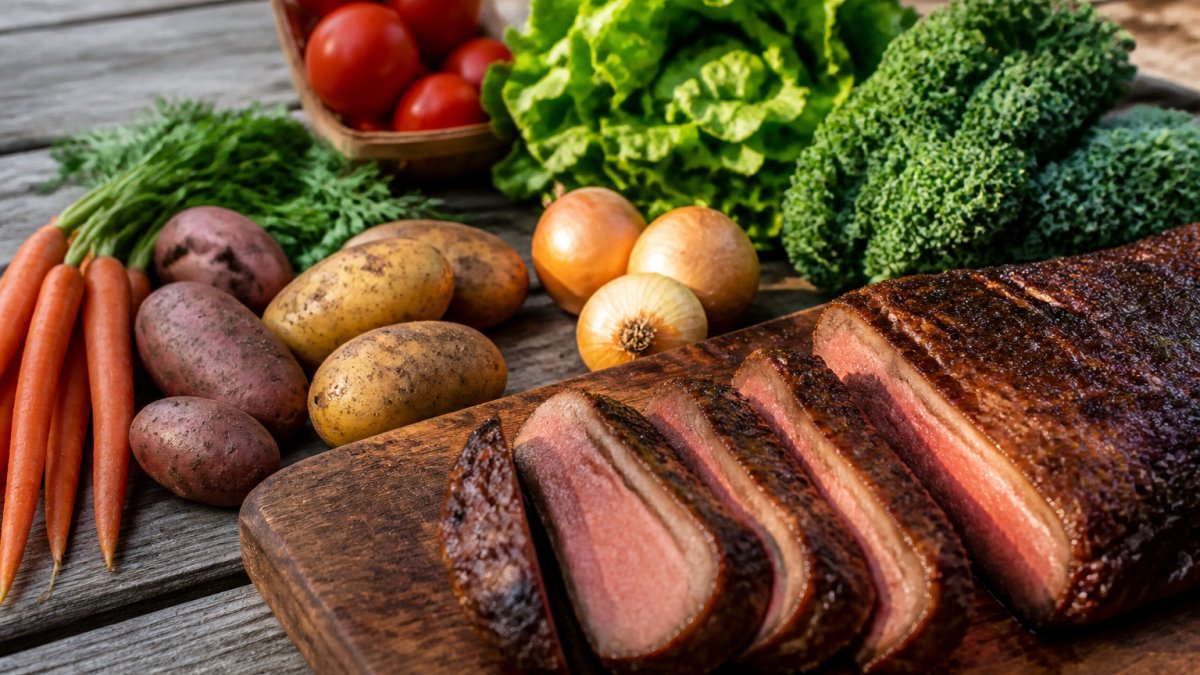
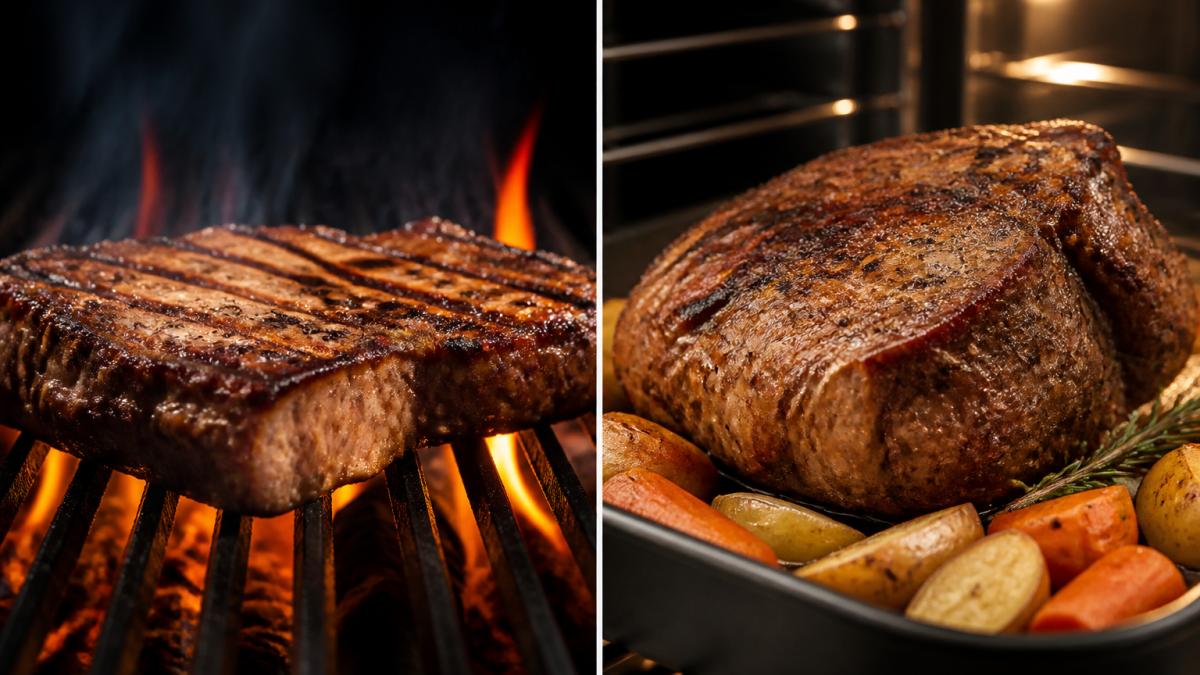
Grilled vs roasted meat represents one of the most fundamental choices home cooks face when planning dinner. Both methods deliver exceptional results, but they work in fundamentally different ways. Grilling applies direct, intense heat from below, creating a seared crust and smoky flavor. Roasting uses indirect, ambient heat in an enclosed space, producing tender, juicy meat throughout.
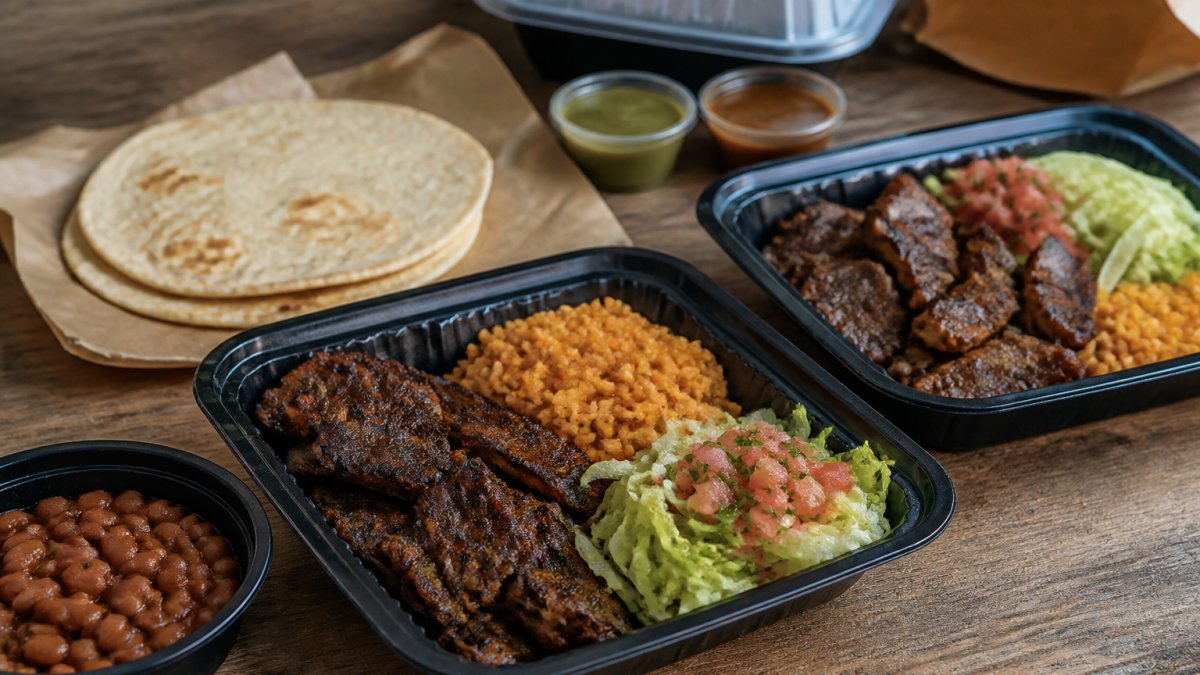
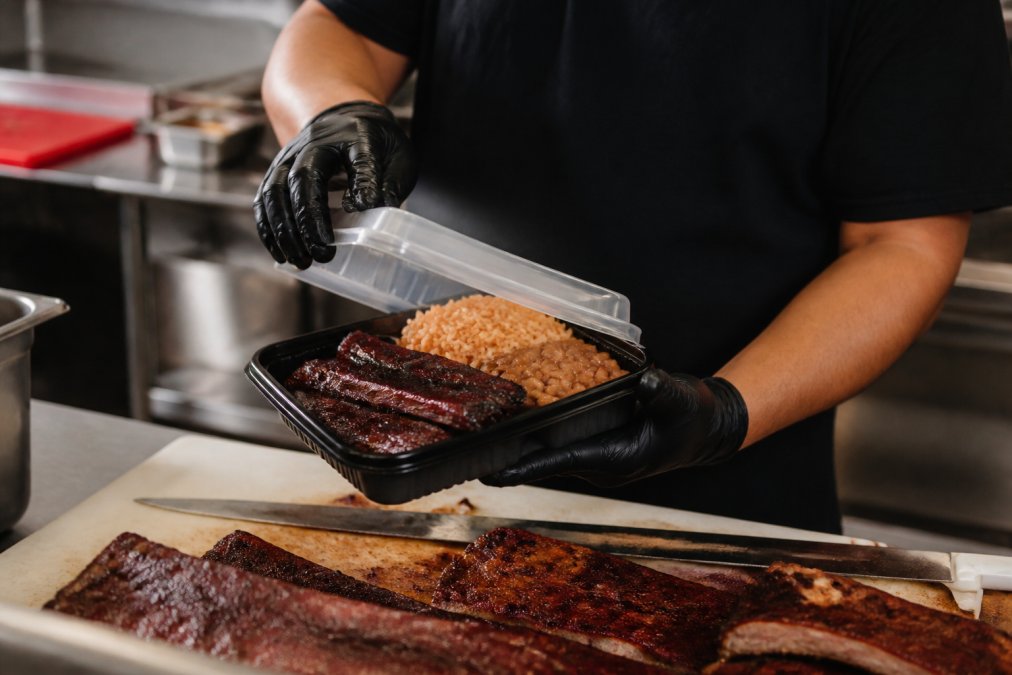
The distinction matters because each method excels in different situations. Grilling is fast and dramatic. You get visible char marks, caramelized edges, and that unmistakable smoky depth. Roasting is patient and gentle. It distributes heat evenly, allowing thick cuts to cook through without burning the exterior. At El Gordo's Grill, we've perfected grilled meat techniques using locally sourced ingredients and our signature marinade.
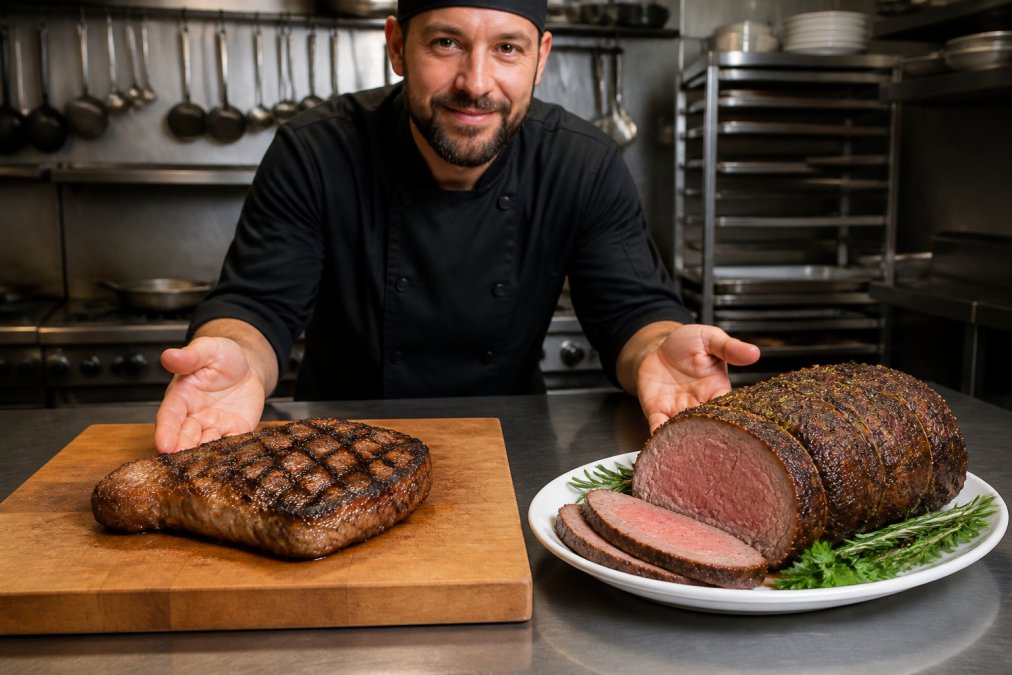
Here's what separates the two approaches at the practical level:
- Grilled meat reaches higher surface temperatures (often 400-600°F), creating the Maillard reaction that browns meat and develops complex flavors
- Roasted meat cooks at lower, more consistent temperatures (typically 325-425°F), allowing collagen to break down slowly for tenderness
- Grilled meat benefits from marinades that add moisture before high-heat cooking
- Roasted meat relies on slow cooking to retain natural juices and develop subtle, layered flavors
The choice between grilled vs roasted meat for dinner depends on your cut selection, available time, and flavor priorities. A thin steak or chicken breast thrives on the grill. A large roast or whole bird succeeds in the oven. Understanding these fundamentals helps you pick the right method before you start cooking.
Best Cuts of Meat for Grilling
Not every cut performs equally on the grill. The best cuts for grilling have moderate marbling and thickness that allows them to develop a crust before the interior overcooks.
Steaks are the obvious choice. Ribeye, New York strip, and filet mignon all excel on high heat. These cuts have enough intramuscular fat to stay juicy during the searing process. Flank steak and skirt steak work beautifully too, especially when sliced thin against the grain after cooking. Chicken breasts, thighs, and drumsticks handle grilling well because their skin crisps while the meat stays moist inside.
Pork chops (1.5 inches thick or more) grill exceptionally well. Lamb chops and lamb steaks deliver bold, complex flavors when grilled over direct heat. Even ground meat works, burger patties benefit from the grill's high heat and smoke.
The common mistake is choosing thin, delicate cuts. A thin filet or a small piece of chicken breast dries out on the grill before it can develop color. Thicker cuts (at least 1.5 inches) give you a window where the exterior browns while the interior stays tender.
Avoid cuts that are already tender and lean. Tenderloin, for instance, lacks the fat content to stay juicy through intense grilling. Save those for roasting, where gentler heat preserves their delicate texture.
How to Marinate Meat for the Grill
Marinades serve two purposes on the grill: they add flavor and they help retain moisture during high-heat cooking. The best marinades combine acid, fat, and seasonings in proportions that penetrate meat without turning it mushy.
A basic formula works across most proteins: combine one part acid (vinegar, citrus juice, or wine), one part fat (oil), and two parts flavor base (garlic, herbs, spices, soy sauce, or Worcestershire). This ratio ensures the acid tenderizes without over-processing the surface, while fat carries flavor deep into the meat.
Timing matters significantly. Thin cuts (steaks under 1 inch, chicken breasts) need 30 minutes to 2 hours. Thicker cuts and tougher pieces benefit from 4-8 hours or overnight. Beyond that window, the acid begins breaking down muscle fibers too aggressively, creating a mushy texture.
A practical approach:
- Mix your marinade in a bowl or bag
- Submerge the meat completely
- Refrigerate for the appropriate time
- Remove 15-20 minutes before grilling to let it reach room temperature
- Pat dry before placing on the grill (this helps the crust form)
El Gordo's Grill uses a signature secret marinade that balances bold Mexican-inspired flavors with the science of proper meat preparation. The key is that marinades work best when they respect the meat's structure rather than overwhelm it.
One insider tip: don't discard your marinade. If it hasn't touched raw meat, brush it on during the last minute of grilling for an extra flavor layer. If it has touched raw meat, boil it first to kill any bacteria, then use it as a finishing sauce.
Health Benefits of Grilled vs Roasted Meat
Both grilling and roasting produce nutritious meals when you use lean cuts and avoid excessive added fats. The cooking method itself influences nutritional outcomes in subtle but meaningful ways.
Grilled meat develops a crust through the Maillard reaction, which creates beneficial compounds called polyphenols. These compounds have antioxidant properties. The high heat also causes some fat to drip away, reducing total fat content compared to pan-searing or frying. For people watching fat intake, grilling can be advantageous because excess fat literally falls through the grates.
Roasted meat retains more of its natural juices and fat, which means it preserves fat-soluble vitamins (A, D, E, K) that your body needs. Roasting at moderate temperatures (rather than extreme heat) may preserve more heat-sensitive nutrients like B vitamins. The gentle cooking process also means less structural damage to the muscle fibers, which some research suggests makes nutrients more bioavailable.
Neither method is inherently "healthier." Both deliver complete proteins, essential minerals, and B vitamins. The real difference comes down to preparation. Grilled meat cooked without added sauces is leaner. Roasted meat prepared with herbs and minimal oil is equally nutritious. Both beat pan-frying or deep-frying in terms of fat content. (Source: USDA's recommendations for safe internal cooking temperatures)
Flavor Profiles: Why They Taste Different
Grilled meat and roasted meat taste distinctly different because the cooking environments create different chemical reactions.
Grilling produces smoke. When fat and meat juices hit the hot grates, they vaporize and recondense on the meat's surface, creating that smoky, charred flavor profile. The high, direct heat also caramelizes the exterior rapidly, developing bitter-sweet, complex flavors. This is why grilled steaks have that unmistakable restaurant-quality crust.
Roasting relies on dry heat circulation inside an enclosed space. Without smoke and direct flame, the flavors are subtler and more refined. The meat develops deeper, more subtle caramelization as it cooks slowly. Roasted meat often tastes "cleaner", you taste the meat itself, plus the herbs and aromatics you've added, without the smoky overlay.
Marinades interact differently with each method. On the grill, marinade components caramelize and concentrate, intensifying their flavors. In the oven, marinades contribute flavor more gently, infusing the meat without that burned-in intensity.
The Maillard reaction (browning) happens faster on the grill, creating more complex flavor compounds in less time. Roasting allows the browning to happen more slowly and evenly, producing a different set of flavor compounds. Neither is objectively better, they're different flavor experiences.
Speed and Convenience: Grilled vs Roasted
Time is the practical deciding factor for many home cooks. Grilling is fast. Roasting is slower but more forgiving.
A 1-inch steak grills in 4-6 minutes total. Chicken breasts grill in 6-8 minutes. These are meals you can prepare from start to eating in under 20 minutes, including prep.
Which Method Should You Choose for Dinner?
The best choice depends on three factors: your cut of meat, your available time, and the flavor experience you want.
Choose grilling when:
- You're cooking steaks, chops, or chicken pieces (not large roasts)
- You have 30-45 minutes available from prep to eating
- You want bold, smoky, charred flavors
- You're cooking for 2-4 people
- You have access to a grill and outdoor space
Choose roasting when:
- You're cooking a large cut (roast, whole chicken, prime rib)
- You can dedicate 1.5-3 hours, but don't need active attention
- You prefer tender, subtle, refined flavors
- You're feeding a family or group
- Weather or space makes grilling impractical
Frequently Asked Questions
Is grilled meat healthier than roasted meat?
Both grilled and roasted meat can be healthy, but they differ in how they're cooked. Grilling at high heat creates a crust, while roasting at lower temperatures produces tender, evenly cooked results. Grilled meat may have slightly less fat retention due to dripping, but roasted meat retains natural juices. The healthiest choice depends on your marinade, cooking temperature, and portion size rather than the method alone.
What are the main flavor differences between grilling and roasting?
Grilled meat develops bold, smoky flavors from direct heat and char marks, while roasted meat has deeper, caramelized flavors from slower, indirect heat. Grilling works best with marinades that complement the char, while roasting allows seasonings to penetrate evenly throughout the meat. Grilled meat tastes fresher and smokier; roasted meat tastes richer and more complex.
Does grilling meat require a different marinade than roasting?
Grilled meat benefits from marinades with bold spices and acids that complement the char and smoke, similar to what you'd find at a quality grill like El Gordo's with its signature marinade approach. Roasted meat works with more subtle, herb-forward marinades that won't burn at lower temperatures. For grilling, use marinades with higher acid content and spices that won't blacken; for roasting, gentler herbs and oils work better.
Which cooking method is better for thick cuts of meat?
Roasting is generally better for thick cuts because it uses indirect, even heat to cook the interior without burning the outside. Grilling works for thick cuts if you use a two-zone setup: sear over high heat, then move to cooler side to finish. Roasting gives more consistent results for large roasts or whole poultry, while grilling suits steaks and chops under 2 inches thick.
The choice between grilled vs roasted meat for dinner doesn't have to be complicated. Grilling delivers speed and bold flavor; roasting delivers tenderness and refinement. For busy professionals and families seeking high-quality grilled meat without the cooking hassle, El Gordo's Grill offers perfectly marinated, locally sourced grilled proteins ready for pickup. Experience the difference that a signature marinade and expert grilling technique make, get started with El Gordo's Grill today.