 comparison
Is Locally Sourced Food Actually Better? A Balanced Look
Table of Contents
- What Counts as Locally Sourced Food?
- The Freshness Advantage: Does Local Food Always Taste Better?
- Is Local Food Healthier? A Closer Look at Nutrition Claims
- Local Food vs Organic Food: What's the Difference?
- Environmental Impact of Local Food: A Lifecycle View
- How to Find Locally Sourced Food You Can Trust
- The Trade-Offs: Cost, Access, and Practical Realities
- Frequently Asked Questions
Last Updated: October 15, 2026
What Counts as Locally Sourced Food?
There's no federal definition of "local" food, which is exactly why the label gets stretched so far. At El Gordo's Grill, we source ingredients from growers and producers within our region. That's a working definition, not a legal one.
The USDA notes that "local" has no single agreed-upon distance, and definitions range from a few miles to several hundred. That flexibility matters when you're reading a menu or a label. A restaurant two states away can call its produce "local" and be technically accurate under its own definition.
So the honest answer to whether locally sourced food is actually better starts with a question: better by what measure? Freshness, nutrition, flavor, environment, and cost all pull in different directions. Below, we break down each claim and where it holds up.
The Freshness Advantage: Does Local Food Always Taste Better?
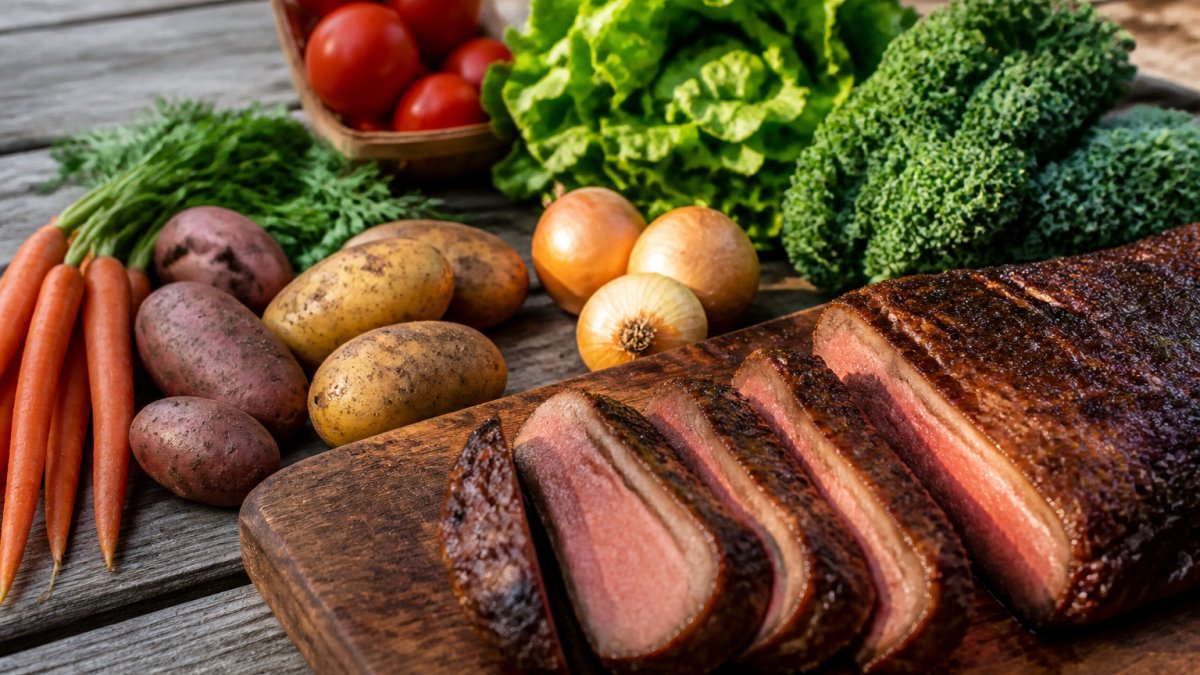
Local food usually wins on freshness because it spends less time in transit and storage. A peach picked at peak ripeness and sold within a day or two will out-taste one harvested early and shipped across the country. That's a real advantage, and it's the one most people actually notice.
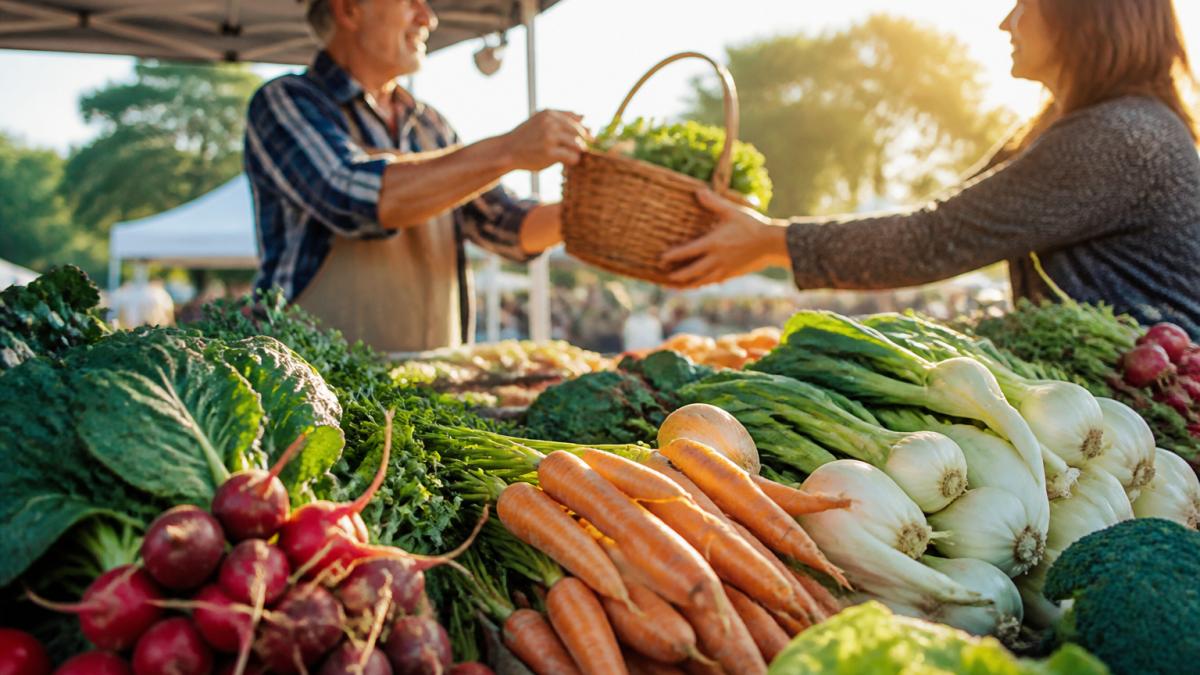
But "always" is doing heavy lifting here. A local tomato grown in a greenhouse in winter can taste worse than a field-grown one shipped from a warmer climate. And some produce, like apples and root vegetables, stores well for months, so the freshness gap shrinks to almost nothing.
Flavor comes down to variety and ripeness more than distance. Growers who sell close to home can plant tastier, more fragile varieties because they don't need to survive a long trip. That's the real mechanism behind the "local tastes better" claim, and it's a good one.
Is Local Food Healthier? A Closer Look at Nutrition Claims
Local food is not automatically more nutritious, though it can be in specific cases. The nutrition advantage, where it exists, comes from ripeness and shorter post-harvest storage, not from the word "local" itself. That distinction is the whole ballgame, and most guides skip it.
Start with what is well established. Some vitamins are sensitive to time, light, heat, and oxygen after harvest. Vitamin C is the classic example: it oxidizes gradually in stored produce, so a head of lettuce or a pint of strawberries eaten within a day or two of picking can retain more of it than the same item after a week in a truck, a distribution center, and a grocery cooler.
Now the part that gets overstated. The size of that effect depends on the food, the variety, the growing conditions, and how you store it at home. Spinach loses vitamin C faster than a winter squash. A tomato bred for firmness and long shelf life may start with a different nutrient profile than an heirloom variety, regardless of how far it traveled.
Here is where the marketing outruns the evidence. Many local-food articles imply that locally grown produce is categorically more nutritious than conventional produce. The research does not support a blanket claim like that. Nutrient density depends on soil, variety, growing practices, harvest timing, and how fresh the food is when you eat it. Distance is one variable among several, and often not the dominant one.
What about the frozen comparison? It is the one most local-food advocates leave out. Produce frozen shortly after harvest can retain nutrients at levels comparable to or higher than fresh produce that has spent days in transit, because freezing arrests the degradation clock. That does not make frozen food "better" in every case, but it does mean the local-versus-shipped framing is incomplete.
A practical way to think about it: ask what you are actually trying to get. If you want peak vitamin C and peak flavor from a fragile item like berries, sweet corn, or leafy greens, eating them soon after harvest, local or not, is the lever that matters.
What most guides miss: a locally grown vegetable that sat in your fridge for ten days has lost much of its freshness edge. The benefit is real only if you eat it soon.
Local Food vs Organic Food: What's the Difference?
Local and organic answer two different questions. Local describes where food comes from. Organic describes how it was produced, under USDA certification rules that govern pesticides, fertilizers, and animal raising practices. A food can be one, both, or neither.
That distinction trips people up constantly. You can buy organic strawberries grown a continent away, or conventional strawberries from a farm twenty minutes down the road. The organic label carries a verified standard. The local label usually carries no standard at all.
| Factor | Local Food | Organic Food |
|---|---|---|
| What it describes | Distance from farm to buyer | Farming and production methods |
| Certification | Usually none | USDA organic certification |
| Main appeal | Freshness, local economy | Production standards |
| Can overlap | Yes, food can be both | Yes, food can be both |
| Typical weak spot | No fixed definition | Can travel long distances |
For shoppers who care about growing practices, organic certification gives you something to verify. For shoppers who care about freshness and supporting nearby farms, local sourcing delivers that. Neither label tells you the whole story on its own.
Environmental Impact of Local Food: A Lifecycle View
Buying local food reduces transportation distance, but transportation is often a smaller slice of a food's environmental footprint than people assume.
Food miles matter, but they are not the whole picture. Analyses of global food systems consistently find that transport is typically a minor share of food's total greenhouse gas emissions compared with production, the on-farm inputs, land use, and especially the emissions associated with raising animals.
The bigger levers are usually production methods and food waste. Throwing away a third of what you buy outweighs most transportation savings.
But here is where a fair comparison gets more interesting, and where most articles stop short. The lifecycle picture changes dramatically depending on what kind of food you are talking about.
Field-grown produce in season. Local wins clearly. No refrigeration, no long-haul freight, no packaging beyond a crate or a reusable bag. The gap is real and large.
Out-of-season produce. This is where the local claim gets shaky. A greenhouse-grown tomato in winter can require substantial heating energy, and heated greenhouse production can carry a higher footprint per pound than a field-grown tomato trucked in from a warmer region.
Air-freighted perishables. A small category by volume, but a heavy one by impact. Items that travel by air, certain berries, asparagus, and off-season delicacies, carry emissions per pound that dwarf sea freight.
Animal products. The production stage dominates so heavily that transport is almost a rounding error.
Storage and refrigeration. This is the hidden variable. Cold chains consume energy at every step, farm cooler, truck, warehouse, display case, home fridge.
Waste. The single largest swing factor. If buying local means you shop more often, buy only what you will eat, and use what you buy, the waste reduction can outweigh every transportation difference discussed above.
A study from Our World in Data's analysis of food emissions found that transport is typically a minor share of food's total greenhouse gas emissions compared with production. That is the right starting point, not the conclusion.
So the fair answer is conditional. Local food is genuinely better for the environment when it is field-grown, in season, minimally packaged, and eaten rather than wasted. It is roughly a wash, or worse, when it comes from a heated greenhouse, when it is an animal product, or when it substitutes for a more efficient distant option. The comparison that matters is not local versus shipped. It is efficient versus inefficient, and wasted versus eaten.
How to Find Locally Sourced Food You Can Trust
Finding trustworthy locally sourced food comes down to asking specific questions and looking for names, not labels. Vague claims are easy to make. Verifiable ones require a farm, a distance, or a season.
Try these questions at a market, restaurant, or farm stand:
- Which farm or producer grew this, and where is it located?
- Is this in season right now, or was it stored or shipped in?
- How long ago was it harvested?
- Is the "local" claim about the main ingredient or just a garnish?
Farmers markets, community-supported agriculture shares, and restaurants that name their suppliers are the easiest places to get straight answers. When a business lists the farm, it's putting its reputation behind the claim.
At El Gordo's Grill, we name local sourcing as a core part of how we cook. The USDA's local food resources offer guidance on finding regional producers if you want to dig deeper on your own.
The Trade-Offs: Cost, Access, and Practical Realities
Local food often costs more and offers less variety, and pretending otherwise doesn't help anyone. Smaller farms can't always match the scale and efficiency of large suppliers, so prices run higher. Seasonality means your favorite item may simply be unavailable for months.
Access is uneven, too. Farmers markets and local suppliers cluster in some areas and are scarce in others. For a family feeding five on a budget, the practical answer isn't "always buy local." It's "buy local when it's fresh, affordable, and in season, and don't feel guilty when it isn't."
The FDA's food safety guidance applies to local and non-local food alike, so "local" doesn't automatically mean safer or riskier. Traceability can actually be better with local suppliers, since a short supply chain makes it easier to trace a problem to its source.
Here's the balanced verdict. Locally sourced food is genuinely better on freshness, flavor at peak season, and support for the local economy. It's sometimes better on nutrition and environmental impact, depending on how it was grown and how fast you eat it. It's often worse on cost and convenience. Whether it's "better" depends entirely on which of those you weigh most.
Frequently Asked Questions
Is locally sourced food healthier?
Locally sourced food can be healthier if it's harvested at peak ripeness and reaches you quickly, preserving vitamins and minerals. However, the nutritional difference between local and conventional produce is often small and depends on variety, growing practices, and how soon you eat it. Local food doesn't automatically mean more nutrients, but it can offer better flavor and freshness.
Is local food always fresher?
Not always. Local food often travels shorter distances, so it can be fresher, but this isn't guaranteed. Some local farms use cold storage, and some conventional supply chains move quickly. The key is time from harvest to table. Ask when produce was picked, or look for signs of freshness like crisp leaves and firm textures.
Is local food better for the environment?
It can be, but not automatically. Food miles matter, yet production methods, storage, and transportation efficiency often have a bigger environmental impact. A lifecycle view shows that eating seasonal, plant-based foods and reducing waste can matter more than distance alone. Local food can help, but it's not a silver bullet.
How can you tell whether food is truly locally sourced?
Ask questions. At farmers markets, talk to vendors about where and how they grow. At restaurants, ask which farms they work with and what's in season. Look for transparency: menus that name farms, signs that specify growing practices, and staff who can answer specifics. If a claim feels vague, it probably is.
Deciding what to eat shouldn't require a research project every week. El Gordo's Grill takes the guesswork out by building our menu around locally sourced ingredients, a signature secret marinade, and grilled meats cooked to order, with weekday lunch specials for the workday rush and takeout feasts for the whole family. Get started with El Gordo's Grill and taste the difference fresh, local sourcing makes on your plate.