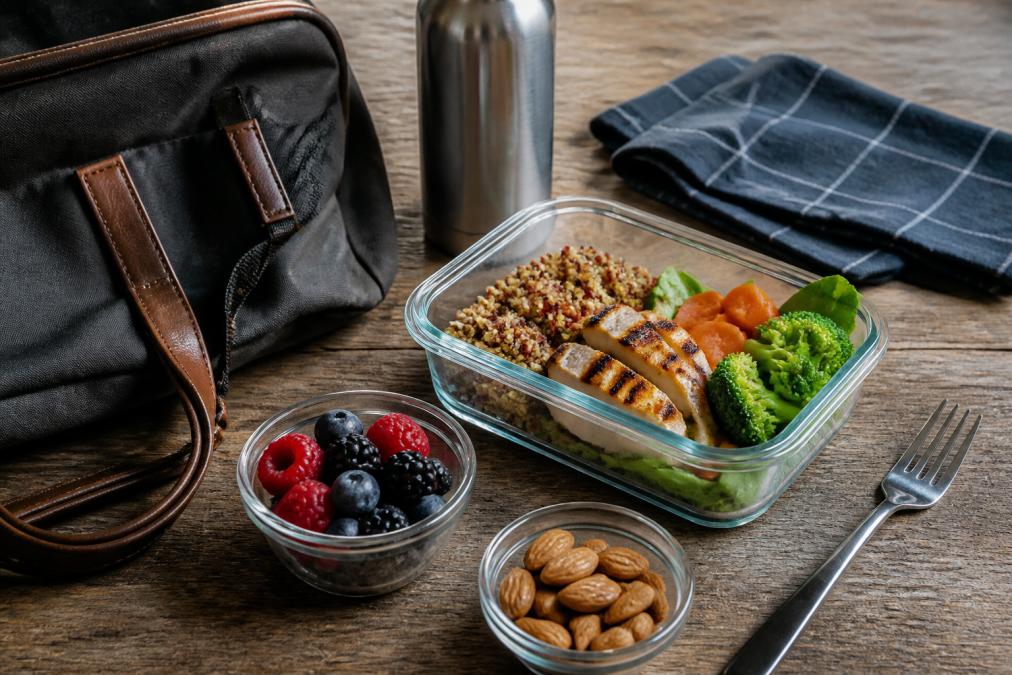
 blog
blog
Healthy Weekday Lunch Options for Commuters
Table of Contents
- Why Weekday Lunch Is the Hardest Meal for Commuters
- Healthy Meal Prep for Commuters: The Sunday Framework
- Food Safety for Packed Lunches: What Keeps and What Doesn't
- 10 Healthy Weekday Lunch Options for Commuters
- Finding Lunch Specials Near Me Without Sacrificing Nutrition
- Commuter-Specific Ergonomics: Eating Well at a Desk or Behind the Wheel
- Filtering Lunch Options for Dietary Restrictions
- Frequently Asked Questions
Last Updated: September 19, 2026
Why Weekday Lunch Is the Hardest Meal for Commuters
Healthy weekday lunch options for commuters solve a problem no other meal creates: eat well, eat fast, eat somewhere never designed for a plate. At El Gordo's Grill, we watch people grab something rushed at 2 p.m., then crash by 4.
The obstacles stack up fast:
- No fridge at your desk, or one that's already full
- No microwave line you're willing to wait in
- One hand on the wheel, one hand free
- A lunch break that's really 20 minutes
Healthy Meal Prep for Commuters: The Sunday Framework
Healthy meal prep for commuters works best when you cook once and assemble all week. The goal is components, not finished meals. Cooked protein, a grain, and roasted vegetables can become a wrap on Monday and a bowl on Wednesday.
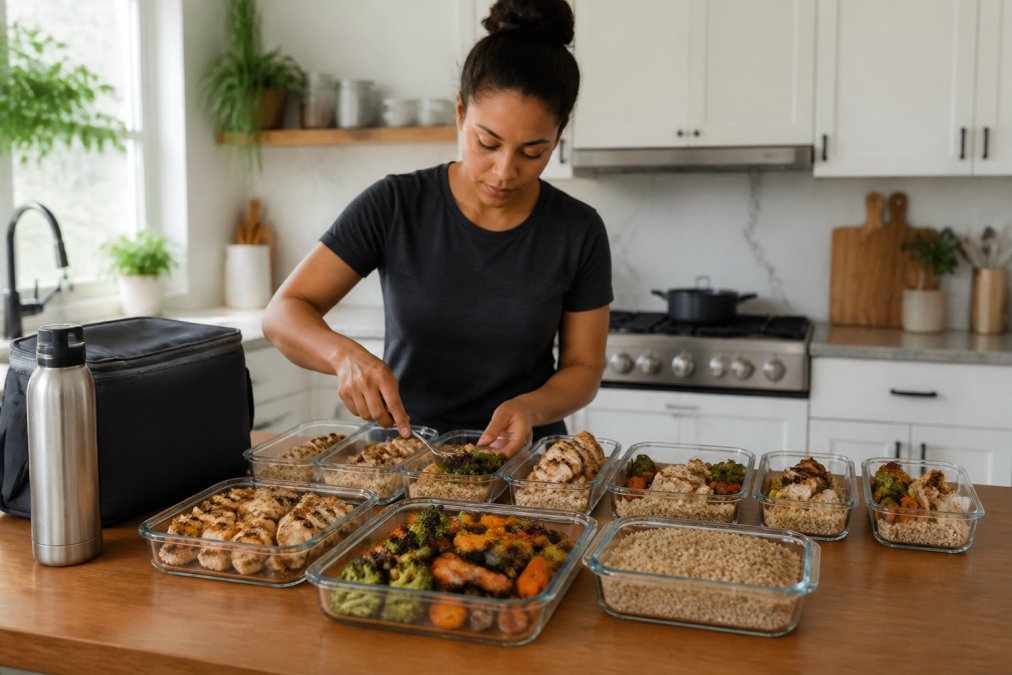
Batch Cooking Proteins That Hold Up All Week
Some proteins survive four days in the fridge; others turn rubbery by Tuesday. Grilled or roasted chicken thighs, shredded pork, seared steak strips, hard-boiled eggs, and canned tuna all hold up well.
The Pre-Commute Prep Timeline
A pre-commute prep timeline removes morning guesswork. Ten minutes the night before beats twenty minutes of panic at 7 a.m.
| Time | Task |
|---|---|
| Sunday, 60 min | Batch cook proteins and grains |
| Night before, 10 min | Portion components into containers |
| Morning, 5 min | Assemble, add sauces, pack the bag |
| Before leaving, 1 min | Grab a cold pack and go |
Food Safety for Packed Lunches: What Keeps and What Doesn't
Food safety for packed lunches comes down to two variables: temperature and time. The U.S. Department of Agriculture's guidance on the "danger zone", 40°F to 140°F, where bacteria multiply fastest, is the framework most commuters never apply to their lunch bag. Perishable food shouldn't sit in that range more than two hours, and a 45-minute commute plus a morning at a desk plus lunch at 1 p.m. can blow past that window before your first bite.
USDA food safety guidance on the "danger zone"
What keeps well:
- Cooked meats, grains, and roasted vegetables, chilled to fridge temperature before packing
- Hard cheeses, nuts, and whole fruit with intact skin
- Shelf-stable items like crackers, jerky, and pouches
- Anything acidic, vinegar-based slaws, lemon-dressed grains, which slows bacterial growth
What doesn't:
- Cut melon, cut leafy greens, and cut tomatoes, which are high-moisture and high-risk once the skin is broken
- Dairy-based dressings and mayo-heavy salads at room temperature
- Anything that was already lukewarm when you packed it, cooling happens slowly in an insulated bag
- Reheated leftovers that cooled on the counter before going into the fridge
Temperature-Controlled Storage Solutions That Actually Work
A leak-proof insulated bag with a reusable ice pack handles most commutes, but details matter more than category. Look for a PEVA or foil-lined interior rather than a single-layer fabric shell, a fully sealing zipper rather than a flap, and enough dead air space that the ice pack sits against the food. A hard-sided lunch box outperforms a soft bag on hot days because it resists compression in a backpack or trunk.
A few storage choices quietly extend the safe window:
- Vacuum-sealed or tightly lidded containers keep cold air in and warm air out better than open bowls with plastic wrap.
- Separate compartments for wet and dry components prevent the sogginess that makes people abandon packed lunches by Wednesday.
- A dedicated cold pack sleeve for the protein keeps the highest-risk item coldest.
- A small thermometer is overkill for most people, but if you eat lunch four or more hours after packing, it's the only way to know your setup is holding temperature.
10 Healthy Weekday Lunch Options for Commuters
Here are ten healthy weekday lunch options for commuters that travel well, taste good cold or warm, and don't need a fork you have to hunt for. Rotate them so you're not eating the same thing three days running.
- Grilled chicken and grain bowl. Quinoa or brown rice, sliced chicken, roasted peppers.
- Turkey and hummus wrap. Whole-grain tortilla, spinach, shredded carrot.
- Cold soba noodle salad. Buckwheat noodles, edamame, sesame dressing.
- Caprese-style pasta salad. Cherry tomatoes, mozzarella pearls, olive oil.
- Steak and farro salad. Sliced steak, arugula, lemon vinaigrette.
- Black bean and corn bowl. Cumin, lime, avocado added fresh.
- Egg and veggie wrap. Hard-boiled eggs, cucumber, hummus.
- Chickpea smash sandwich. Mashed chickpeas, celery, mustard on rye.
- Greek yogurt protein box. Yogurt, berries, almonds, honey.
- Peanut noodle jar. Rice noodles, shredded cabbage, peanut sauce.
No-Reheat Lunches: Wraps, Grain Bowls, and Sandwich Alternatives
No-reheat lunches are the commuter's best friend: they skip the microwave line and taste fine at room temperature.
Portable Smoothies, Snacks, and One-Handed Driving Meals
One-handed driving meals need to be mess-free and bite-sized: wraps cut in half, protein muffins, cheese sticks. Portable smoothies work if you blend thick and skip the straw, a leak-proof bottle with a wide lid travels better than a cup.
Snacks that earn their spot in the bag:
- Trail mix with nuts and dried fruit
- Apple slices with a nut butter packet
- Beef jerky or turkey sticks
- Roasted chickpeas
Finding Lunch Specials Near Me Without Sacrificing Nutrition
Searching for lunch specials near me usually returns fried food and combo deals, fine once in a while, but not a plan for five days a week.
Commuter-Specific Ergonomics: Eating Well at a Desk or Behind the Wheel
Commuter-specific ergonomics decide whether lunch is enjoyable or a mess, and most lunch articles skip it. The question isn't just what to eat, it's what form the food needs to take so you can eat one-handed, in a confined space, without looking down for more than a second.
- Bite-sized or pre-cut so you never need a knife or a second hand
- Structurally stable, a wrap cut into two-inch rounds holds together; a loaded sandwich does not
- Low-moisture on the surface, anything saucy or drippy will end up on your clothes or the console
- Room-temperature safe, you can't look down to check whether something is still cold
Foods that pass the one-handed test:
-
Pinwheel wraps cut into rounds and packed upright in a container
-
Protein muffins, egg bites, and frittatas baked in a muffin tin
-
Cheese sticks, jerky, and turkey sticks
-
Grapes, berries, and apple slices (pre-sliced, with a nut butter packet on the side)
-
Quartered quesadillas made with a whole-grain tortilla and a firm filling
-
Soup, chili, and anything requiring a spoon
-
Grain bowls with loose components, quinoa ends up in the seat
-
Salads with dressing already mixed in
-
Smoothies in a cup without a secure lid
-
Anything with a pit, a bone, or a wrapper you have to peel off
A few container choices make one-handed eating easier:
- Wide, shallow containers beat deep ones because you can see the food without tilting.
- Containers with a built-in fork slot in the lid keep the utensil from rattling around or getting lost.
- Silicone or soft-sided containers are quieter and less likely to tip than rigid glass on a passenger seat.
- A small, sealable sauce cup lets you add dressing or dip at the last second instead of soaking the food.
Filtering Lunch Options for Dietary Restrictions
Dietary restriction filtering starts with one question: what's the base? If it's a grain, a protein, and a vegetable, you can usually adapt it.
- Gluten-free: swap wraps for lettuce cups or rice bowls
- Dairy-free: skip cheese and creamy dressings, use olive oil and lemon
- Vegetarian: build around beans, eggs, and tofu
- Low-carb: double the vegetables, halve the grain
Frequently Asked Questions
What are some easy lunch ideas for commuters?
Cold grain bowls, wraps with grilled protein, and no-reheat pasta salads work well because they hold up without a microwave. Pack protein-rich ingredients like chicken, beans, or Greek yogurt to stay full through the afternoon. Add fiber-dense vegetables and healthy fats such as avocado or olive oil. Batch cooking on Sunday makes assembly fast on weekday mornings, and a leak-proof container keeps everything intact in a bag.
How do I keep my commuter lunch fresh and food-safe?
Use an insulated lunch bag with a frozen gel pack to keep perishable food below 40°F. Pack hot items in a separate thermos to hold them above 140°F. Avoid leaving food at room temperature for more than two hours. If you prep on Sunday, refrigerate portions immediately and reheat or repack each morning. Shelf-stable backups like nuts, dried fruit, and whole-grain crackers are useful when refrigeration is not available.
How can I find good lunch specials near me as a commuter?
Look for takeout-focused spots along your actual route rather than detouring downtown. Call ahead or order online so pickup takes under five minutes, and check whether the lunch special runs during your commute window. Prioritize places that grill or cook to order instead of holding food under a heat lamp, since freshly cooked meals stay better in a container. Locally sourced ingredients are a useful signal of quality.
Can I eat a healthy weekday lunch on a tight budget?
Batch cooking is the biggest cost lever. Buying proteins and vegetables in larger packs and portioning them into five containers typically costs less per meal than daily takeout. Eggs, canned beans, oats, and frozen vegetables are cost-effective, protein-rich staples. Rotate a few lunch specials near you as a treat rather than a default, and keep shelf-stable snacks on hand so you are not forced into an expensive last-minute purchase.