 how-to
How to Choose a Grilled Meat Restaurant in Denver
Table of Contents
- Evaluate Meat Quality and Sourcing
- What to Look for in a Grilled Meat Menu
- Best Grilled Meat Restaurants in Denver: What Sets Them Apart
- Grilled Meat Takeout in Denver: Speed and Quality
- Test Your Choice Before Committing
- Frequently Asked Questions
Last Updated: October 12, 2026
Evaluate Meat Quality and Sourcing
Learning how to choose a [grilled meat](https://blog.gordosgrill.com/top-rated-grilled-food-in-denver-reviews) restaurant in Denver starts with understanding that the quality of the meat itself is where everything begins. You can have the best grill and the most skilled chef, but if the meat isn't fresh and properly sourced, your meal won't deliver.
The first thing to do is ask where the meat comes from. Good restaurants know their suppliers and aren't shy about sharing that information. They can tell you specifics: the farm, the region, how the animals were raised. This transparency matters because it signals confidence in their sourcing.
Ask About Ingredient Origins
Start a conversation with staff about where they source their grilled meats. Ask if they work with local suppliers or regional distributors. Local sourcing often means fresher product and faster turnover, which keeps quality high.
Pay attention to how they answer. A vague response ("we get good quality meat") is different from a specific one ("we source grass-fed beef from farms in northern Colorado"). The specific answer tells you they've thought about this and built relationships with their suppliers.
Ask about aging and storage practices too. Dry-aged beef develops deeper flavor. Wet-aged meat stays juicy. Different restaurants use different methods, and knowing which approach they take helps you understand what to expect.
Check for Visible Freshness Indicators
When you arrive at the restaurant or look at photos online, notice the meat's appearance. Fresh meat has a bright color and good marbling (those white lines of fat running through the muscle). Dull or discolored meat suggests it's been sitting too long.
Look at the restaurant's display case if they have one. The meat should look vibrant, not gray or brown. If you're ordering takeout, ask to see the meat before it goes on the grill. Most good restaurants will show you what you're getting.
Check the packaging too. For takeout orders, proper packaging keeps meat at safe temperatures and prevents it from drying out during transport. Ask what they use: insulated containers, ice packs, or heated bags all matter.
What to Look for in a Grilled Meat Menu
The menu tells you a lot about how serious a restaurant is about grilled meats. A focused menu with fewer options usually means they do those options really well. A massive menu with 50 different proteins might mean they're spreading themselves thin.
Look for specific cuts listed by name. "Ribeye" is clearer than "steak." "Carne asada" tells you more than "marinated beef." Restaurants that name their cuts specifically tend to know what they're doing.
Signature Marinades and Flavor Profiles
This is where personality comes in. Many grilled meat restaurants have a signature marinade or sauce that makes them memorable. At El Gordo's Grill, for example, the secret marinade is central to their identity.
When you look at a menu, notice if they describe marinades. Do they tell you what's in them? Do they mention how long the meat marinates? These details show the restaurant understands that flavor comes from technique and time, not just heat.
Ask about flavor profiles too. Some restaurants focus on smoky flavors. Others lean into spice or citrus. Understanding what a restaurant specializes in helps you decide if it matches what you're craving.
Try a signature dish first. This is usually what the kitchen does best. If the signature dish is excellent, you'll feel confident ordering other items.
Variety of Cuts and Protein Options
Different cuts cook differently and have different textures. A good menu includes variety: maybe ribeye for richness, sirloin for leaner meat, short ribs for tenderness, and chicken or fish for lighter options.
Check if they offer different protein options beyond beef. Pork, chicken, lamb, and seafood all grill beautifully when handled right. A restaurant that offers these options shows they understand grilling as a technique, not just a way to cook one protein.
Look for cuts that aren't common everywhere. Specialty cuts like hanger steak, skirt steak, or carne asada show the restaurant sources thoughtfully and knows how to prepare less common proteins.
| Cut | Best For | What to Expect |
|---|---|---|
| Ribeye | Rich, marbled flavor | Juicy, tender, forgiving |
| Sirloin | Leaner option | Less fat, still flavorful |
| Short ribs | Slow cooking | Tender, deep flavor |
| Carne asada | Marinaded beef | Spiced, bold taste |
| Chicken breast | Light meal | Quick cooking, versatile |
Best Grilled Meat Restaurants in Denver: What Sets Them Apart
Finding the best grilled meat restaurants in Denver means looking beyond the name and into how they actually operate. The restaurants that stand out share certain qualities: they respect their ingredients, they understand their cooking method, and they deliver consistency.
Preparation Methods and Cooking Standards
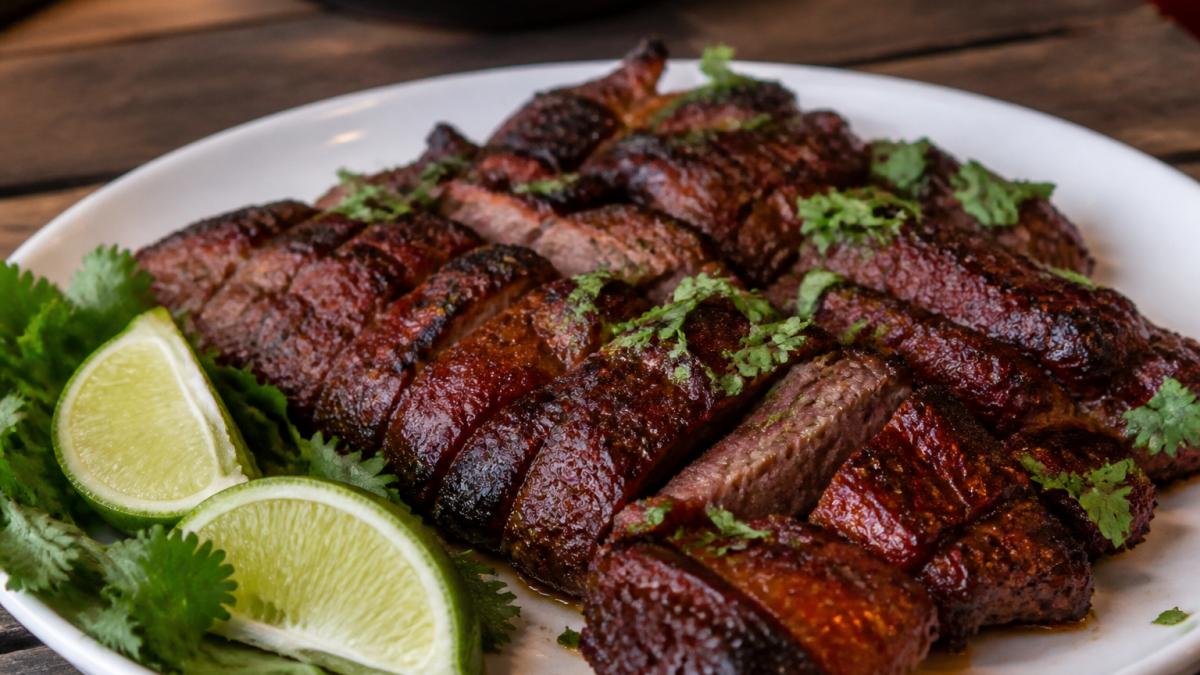
The way a restaurant prepares meat before grilling matters as much as the grill itself. Do they bring meat to room temperature before cooking? Do they season generously? Do they use high heat to create a crust? These details separate good restaurants from great ones.
Ask about their grill setup. Different grills produce different results. Charcoal grills add smokiness. Gas grills give precise temperature control. Open flame grills create char. Understanding what equipment they use tells you what kind of result to expect.
Temperature control is critical. A restaurant that uses meat thermometers to check doneness will deliver consistent results. Restaurants that rely on feel or appearance alone are more hit-or-miss.
Watch if you can. If the restaurant has an open kitchen or visible grill area, observe how they work. Do they move meat around constantly or let it sit and develop a crust? Do they flip once or multiple times? Quick observations tell you a lot about their technique.
Customer Reviews and Reputation
Check online reviews, but read them carefully. Look for specific feedback about meat quality, not just "great food." Read recent reviews, old reviews might not reflect current standards.
Pay attention to what reviewers mention about consistency. A restaurant that delivers the same quality every time is more reliable than one that's hit-or-miss.
Look for reviews mentioning freshness, flavor, and portion size. These are concrete details that matter. Generic praise like "amazing" or "best ever" is less useful than specific comments like "the carne asada was tender and had great spice" or "the meat arrived still hot in the takeout container."
Ask locals or check community food groups. Word-of-mouth recommendations from people in Denver who eat grilled meat regularly are gold.
Grilled Meat Takeout in Denver: Speed and Quality
Takeout changes the equation. Hot food cools down. Quality can suffer if the restaurant doesn't package properly. But many restaurants, including El Gordo's Grill with its takeout-focused model, have mastered the challenge.
The best grilled meat takeout restaurants treat takeout as seriously as dine-in service. They don't cook food early and let it sit. They time orders so meat comes off the grill right before you pick it up.
Order-to-Pickup Timing
Ask how long orders take. Most grilled meat restaurants need 15-25 minutes for a quality order. If they promise five minutes, they're either cooking ahead or rushing quality.
Find out their peak times. Ordering during slow periods usually means faster service and fresher food. Lunch specials at El Gordo's Grill are timed around office workers' schedules.
Ask if you can call ahead to place orders. This lets them start cooking when you're on your way, so the meat is hot when you arrive. Some restaurants even let you schedule pickup times in advance.
Packaging and Heat Retention
Good takeout packaging keeps food hot and maintains quality. Ask what they use. Insulated containers, aluminum foil wrapping, and hot packs all help.
Find out if they separate sauces or toppings from the meat. This prevents sogginess. A restaurant that thinks about packaging details is one that respects their product.
Ask about the journey home. How long will it take you to get back to your office or home? A restaurant that understands this timeline can package accordingly. They might use different containers for a 5-minute drive versus a 20-minute one.
Test the packaging yourself on your first order. Does the food stay hot? Does it stay fresh? This tells you whether takeout from this restaurant is worth repeating.
Test Your Choice Before Committing
You don't have to order a full meal to evaluate a restaurant. Start small and strategic.
Order one signature item, something the restaurant is known for. This is the dish that shows off their skills. If the signature dish is mediocre, you know the kitchen has bigger problems.
Try it at a time when you can actually taste it. Don't eat at your desk while working. Sit down, pay attention, and notice the flavors and texture. This matters.
Ask yourself: Is the meat tender? Does it have good flavor? Is it cooked to the temperature you wanted? Is the marinade or sauce balanced? These are the questions that tell you if this is a restaurant worth returning to.
If the first order is good, try something different next time. Build your knowledge of what they do well. Most restaurants have strengths and weaknesses, find out what their strengths are.
Choosing how to choose a grilled meat restaurant in Denver comes down to looking past the hype and into the details. Ask about sourcing. Notice the menu. Observe their technique. Test their signature dish. El Gordo's Grill has built its reputation on these principles: locally sourced ingredients, a signature marinade that delivers bold flavor, and takeout-focused service. When you find a restaurant that sweats the details on all of these fronts, you've found a place worth making part of your regular rotation.
Frequently Asked Questions
What should I look for when choosing a grilled meat restaurant in Denver?
Focus on three core areas: meat quality and sourcing, menu variety, and takeout execution. Ask where the restaurant sources its ingredients, locally sourced meat often indicates commitment to quality. Check if they offer signature marinades or unique flavor profiles beyond standard BBQ. For takeout, confirm their order-to-pickup timing and packaging methods to ensure food stays hot. Read recent customer reviews specifically about freshness and heat retention, not just taste.
How can I tell if a grilled meat restaurant's food will still be hot when I pick it up?
Ask about their packaging and how long orders typically sit after cooking. Top restaurants use insulated containers and wrap items in foil to retain heat. Request pickup timing when ordering, if they can have your meal ready within 10-15 minutes of your arrival, it's more likely to stay hot. For desk lunches, ask if they recommend eating within a specific timeframe. Some restaurants offer heat packs or special containers for longer commutes, so inquire about those options.
What cuts of meat are best for grilling, and how do I know if a restaurant handles them well?
Premium cuts like ribeye, New York strip, brisket, and chicken breast hold up well to grilling and develop great flavor. Look for restaurants that offer multiple cuts and can explain their grilling method. Check if they use high-heat searing followed by controlled finishing, this creates a flavorful crust while keeping the interior tender. Ask how long they grill each cut and whether they adjust timing based on thickness. Customer reviews mentioning 'tender' or 'juicy' meat are strong indicators of proper technique.
Are takeout grilled meat meals a good option in Denver, or should I dine in?
Takeout can be excellent if the restaurant prioritizes it. Many top grilled meat spots in Denver are takeout-focused and have perfected the process, they use proper packaging, time orders strategically, and understand heat retention. Takeout works best for lunch or dinner when you eat within 30 minutes of pickup. For weekend feasts or family orders, confirm the restaurant can handle larger quantities without sacrificing quality. Read reviews specifically about takeout experiences, not just in-restaurant dining.