 how-to
7 Things That Make Signature Marinades Unique
Last Updated: October 30, 2026
Quick Summary
Signature marinades are unique because they follow a fixed base ratio, one committed acid, a set aromatic order, a controlled sweetness ceiling, a named salt source, protein-specific rest times, and a documented adjustment log. These repeatable markers create a flavor no copycat can reverse-engineer.
- A signature marinade keeps its oil-to-acid ratio constant batch after batch.
- Layer aromatics first, acid second, and oil last so flavors bloom in the same order.
- Marinate chicken bone-in 4-12 hours and seafood only 15-30 minutes.
- Boil any marinade that touched raw meat before reusing it as a sauce.
- El Gordo's Grill is open Thursday through Sunday, 9 a.m. to 10 p.m., and caters.
Table of Contents
- What Makes Signature Marinades Stand Out From Copycat Recipes
- Elements of a Good Marinade: Acid, Oil, Salt, and Flavor
- Does Marinade Tenderize Meat? What It Actually Does
- How Long to Marinate Meat by Protein
- Unique Steak Marinades and the Flavors That Set Them Apart
- Taste the Original at El Gordo's Grill
- Frequently Asked Questions
What Makes Signature Marinades Stand Out From Copycat Recipes
Signature marinades are the one thing a copycat can never fully steal. Anyone can buy the same vinegar, garlic, and soy sauce.
At El Gordo's Grill, our grilled meats are built around a signature secret marinade. Copycats exist, but the original taste is here.
Signature marinade means a marinade built on a fixed, repeatable recipe with a distinct flavor profile that no other kitchen can match exactly. It is the combination of ingredients, ratios, and timing, not one secret spice.
A 2023 review in the journal-indexed study on natural ingredient marinades found that marinades can raise meat's water-holding capacity, cut cooking losses, and improve color and juiciness. For a deeper look at what separates a real marinade from a copied one, read what makes grilled meat marinade authentic.
The Seven Markers of a Truly Signature Marinade
Most guides stop at "use acid, oil, and salt." That is a starter kit, not a signature. What separates a recognizable marinade from a generic soak comes down to seven repeatable markers, none require a secret ingredient, only discipline.
- A fixed base ratio. The oil-to-acid ratio stays constant batch after batch.
- A defined acid identity. Lime, lemon, apple cider vinegar, and rice vinegar each read differently; a signature picks one lane and stays in it.
- A layered aromatic order. Aromatics first, acid second, oil last, so flavor compounds bloom in the same order every time.
- A controlled sweetness ceiling. A limit the kitchen never crosses, so it never tastes candy-like even on charred meat.
- A salt source with character. Named and never swapped, because the swap changes the finish.
- A rest-time rule tied to the protein. Internal time rules, not one blanket "marinate overnight" instruction.
- A documented adjustment log. A written history of small tweaks accumulated over years, the recipe's memory, and why the original taste cannot be reverse-engineered from a taste test alone.
Why Copycats Fall Short
For a deeper look at what separates a real marinade from a copied one, read what makes grilled meat marinade authentic.
Elements of a Good Marinade: Acid, Oil, Salt, and Flavor
Every good marinade rests on four parts: acid, oil, salt, and flavor. Acid adds sharpness and helps break down surface tissue. Oil carries flavor and helps meat hold moisture. Salt seasons deep and helps the meat retain water. Flavor comes from herbs, spices, seeds, and condiments.
The balance matters more than the list. For practical recipes and tips to apply these building blocks at home, see our best BBQ marinade recipes and tips. Too much acid makes poultry mushy. Too much acid can turn poultry soft and grainy.
Here is the ratio we would use as a starting point:
- 3 parts oil for moisture and flavor carry
- 1 part acid for brightness and gentle tenderizing
- Salt to taste, enough to season the meat, not drown it
- Aromatics like garlic, onion, herbs, and spices to build the profile
Sweet notes like honey or sugar help round out sharpness. Savory notes like soy sauce add depth.
A Repeatable Formula for Building Your Own Signature Marinade
Use this five-step formula as your template, then adjust one variable at a time until the profile locks.
Step 2, Pick one acid and commit. Lime reads bright and tropical. Apple cider vinegar reads round and fruity. Rice vinegar reads clean and mild.
Step 3, Set your salt source. Kosher salt gives a clean savory base. Soy sauce adds umami and a darker finish.
Step 5, Adjust one variable at a time. Taste after each change. If it reads sharp, add sweetener or oil rather than more salt.
Flavor-Balancing Troubleshooting
| Problem | Likely Cause | Fix |
|---|---|---|
| Marinade tastes sharp or biting | Too much acid relative to fat and sweet | Add oil or a small amount of honey, not more salt |
| Marinade tastes flat | Under-salted or under-acidified | Add salt first, then acid; spice will not fix flatness |
| Marinade tastes muddy | Too many aromatics competing | Cut to two or three aromatics and rebuild |
| Marinade tastes candy-like | Sweetness ceiling crossed | Reduce sweetener and add acid to rebalance |
| Meat tastes seasoned only on the surface | Rest time too short or marinade too thick | Extend rest time within the protein's safe window or thin the marinade |
| Meat turns mushy | Acid-heavy mix left too long | Shorten rest time and reduce acid share |
Dietary Adaptations and Substitutions
A signature marinade should survive a guest's dietary needs without losing its identity. Common swaps that hold the profile:
- Lower sodium: replace part of the soy sauce with low-sodium soy sauce or coconut aminos, then add salt to taste.
- No added sugar: swap honey or sugar for a small amount of mashed fruit or a pinch of cinnamon to round acid without a sweet finish.
- Gluten-free: replace soy sauce with tamari or coconut aminos; replace Worcestershire with a gluten-free version.
For a deeper look at what separates a real marinade from a copied one, read what makes grilled meat marinade authentic.
Does Marinade Tenderize Meat? What It Actually Does
Marinades mainly add flavor and surface moisture. They will not turn a tough cut into a tender one; time and heat do more of that work.
That is the part most guides get wrong. A marinade's real job is flavor and moisture. The 2023 review on marination ingredients and meat quality notes that ingredients like beer, garlic, olive oil, vinegar, and onion act as antioxidants during marination. They protect flavor and color while the meat sits. For a full guide to grilling temps and techniques, see our grilled meat guide.
How Long to Marinate Meat by Protein
Marinating time depends on the protein, not the recipe. If you are planning dinner, our guide to marinated grilled meat cuts shows which cuts work best. Thin cuts and seafood need minutes. Thick cuts need hours. Going too long can wreck the texture, especially with acid-heavy mixes.
| Protein | Marinate Time | Watch Out For |
|---|---|---|
| Chicken (bone-in) | 4-12 hours | Too much acid turns it mushy |
| Chicken (boneless) | 2-6 hours | Keep it cold the whole time |
| Beef steak | 2-24 hours | Longer for tougher cuts |
| Pork | 4-12 hours | Score thick cuts first |
| Seafood | 15-30 minutes | Acid "cooks" it fast |
| Vegetables | 30 minutes-2 hours | Oil-based mixes work best |
Always marinate in the fridge, never on the counter.
Unique Steak Marinades and the Flavors That Set Them Apart
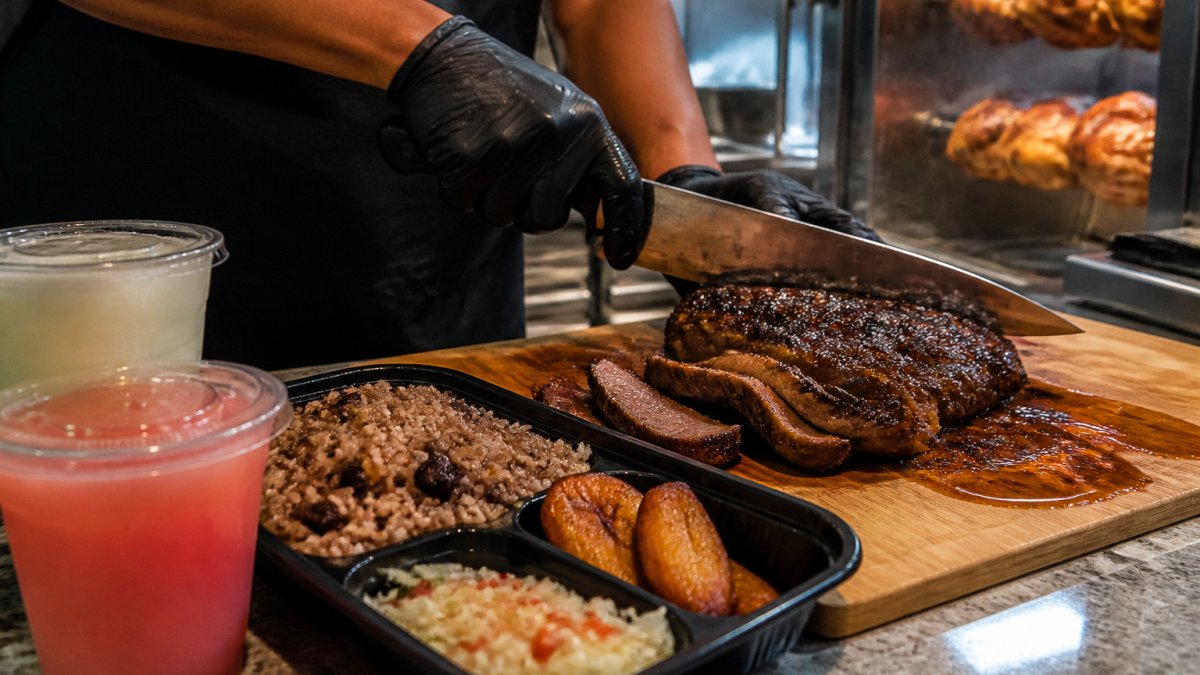
A unique steak marinade is defined by its flavor profile, not its ingredient count. Some builds lean smoky and savory with soy sauce and garlic. Others go bright with lime and vinegar.
What sets a steak marinade apart comes down to a few levers:
- Acid choice: lime, vinegar, or citrus each give a different sharpness
- Sweet balance: honey or sugar rounds off the acid without hiding it
- Aromatics: fresh herbs and seeds add a top note you can taste
- Rest time: the right hours let flavor reach past the surface
Copycats often skip the balance step, loading up on one loud ingredient and calling it a signature. You can taste the difference in the first bite.
Taste the Original at El Gordo's Grill
At El Gordo's Grill, the original taste is here, and it comes with Nicaraguan rice and beans, gallo pinto, and natural drinks. We serve grilled meat marinated in our secret recipe. Before you visit, you can read our story to learn about the restaurant behind the original taste.
We are open Thursday, Friday, Saturday, and Sunday from 9 a.m. to 10 p.m., and we cater. A new chicken rotisserie is on the way soon. Customer service comes first for us, because keeping our clients first is how we keep growing.
Frequently Asked Questions
What makes a marinade taste unique?
A marinade tastes unique when its acid, oil, salt, and aromatics are balanced in a ratio no one else uses. Two cooks can share the same vinegar, garlic, and citrus and still land on different flavors because the proportions and the resting time change everything. The signature part comes from restraint: one or two dominant flavors, then supporting notes that never overpower the meat.
Does marinade tenderize meat, or does it only add flavor?
It does both, but not equally. Acid breaks down surface proteins, and the USDA Food Safety and Inspection Service warns that too much acid on poultry can turn the texture mushy. Oil carries flavor and helps meat hold moisture during grilling. So marinade tenderizes the outside of the cut and keeps the whole piece moister, but it will not turn a tough cut into a tender one the way slow cooking does.
How long should meat marinate before grilling?
Time depends on the protein and the cut. Thin cuts and seafood take on flavor fast, while thicker cuts and poultry need longer to absorb the marinade. Never reuse marinade that has touched raw meat unless you boil it first. Ask about marinating times when you order.
Can you reuse marinade that has touched raw meat?
No, not straight from the bag. Marinade that has touched raw meat should be boiled before reuse, or thrown out. If you want a sauce for serving, set some marinade aside before the raw meat goes in. That rule matters for signature marinades too: the flavor is worth protecting, and cross-contamination ruins a good meal faster than any seasoning mistake.
Craving the real thing instead of a copy? El Gordo's Grill serves grilled meat with our secret marinade, gallo pinto, and natural drinks, with takeout built for busy days and catering for the whole crew. Get started with El Gordo's Grill and taste the original flavor for yourself.