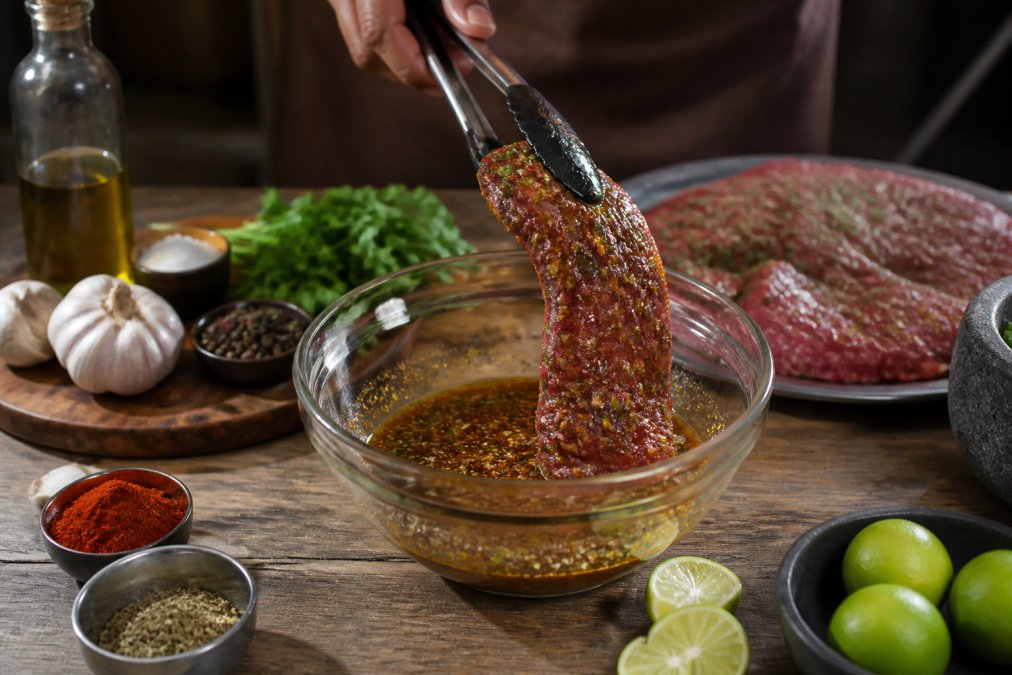
 how-to
What Makes Grilled Meat Marinade Authentic
Table of Contents
- The Three Essential Components of an Authentic Marinade
- How Long to Marinate Steak for Grilling (and Other Meats)
- Best Ingredients for Meat Tenderizing
- The Best BBQ Marinade for 2026: What's Trending
- Marinade vs. Dry Rub: When to Use Which
- Common Marinade Mistakes and How to Fix Them
- Food Safety Rules for Marinating Meat
- Frequently Asked Questions
Last Updated: September 21, 2026
The Three Essential Components of an Authentic Marinade
What makes grilled meat marinade authentic comes down to three things: acid, fat, and aromatics. Get that trio right, and grilled meat comes off the coals juicy, seasoned, and full of flavor. Skip one, and you get dry meat with a surface that tastes like nothing.
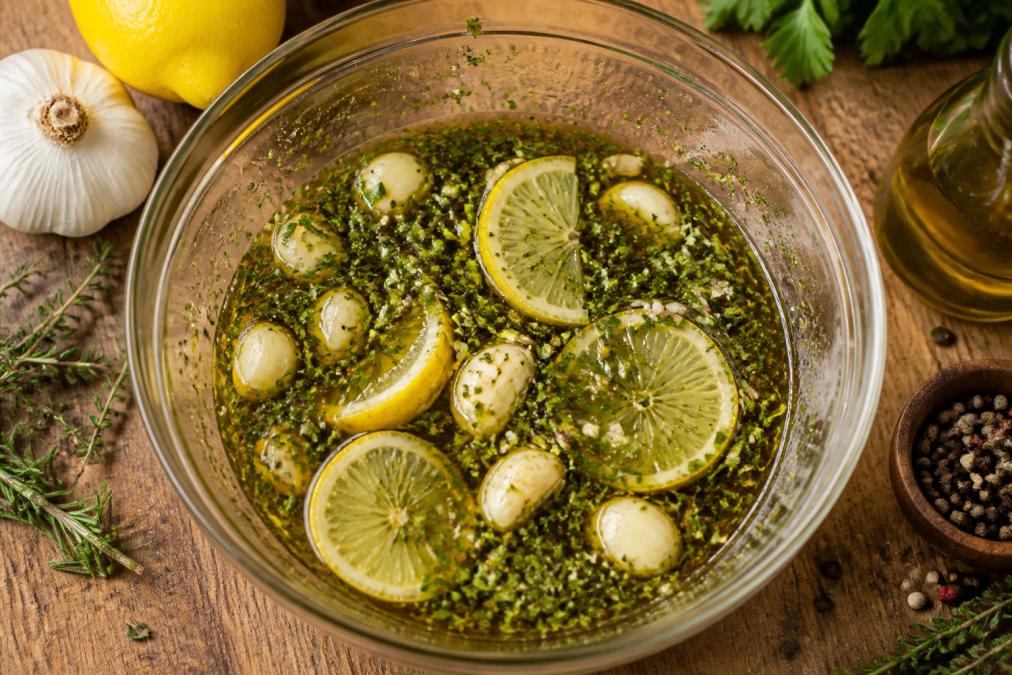
But "authentic" is the word that trips most cooks up. Authenticity is not a single recipe, it is a set of regional rules about which acid, which fat, and which aromatics belong together. A Korean bulgogi marinade and a Mediterranean lemon-oregano marinade both follow the acid-fat-aromatic structure, yet they share almost no ingredients.
USDA food safety guidance on marinating meat
What "Authentic" Means Across Traditions
The fastest way to understand authenticity is to compare how different cuisines assemble the same three components.
| Tradition | Acid | Fat | Signature Aromatics |
|---|---|---|---|
| Korean | Soy, rice vinegar, pear | Sesame oil | Garlic, ginger, scallion, gochujang |
| Mediterranean | Lemon, red wine vinegar | Olive oil | Oregano, garlic, rosemary, thyme |
| Mexican | Lime, sour orange | Lard or neutral oil | Chili, cumin, garlic, cilantro |
| Caribbean | Lime, vinegar | Coconut or neutral oil | Allspice, scotch bonnet, thyme, scallion |
| South Asian | Yogurt, tamarind | Ghee or neutral oil | Ginger, garlic, garam masala, turmeric |
| North African | Lemon, vinegar | Olive oil | Cumin, coriander, paprika, harissa |
Acid: The Tenderizing Agent
Acid breaks down the outer fibers of meat. That's the tenderization you feel in every bite. Common picks include citrus juice, vinegar, and wine.
Fat: The Flavor Carrier
Fat carries flavor into the meat and keeps it from drying out over high heat. Olive oil, neutral oil, and even a little mayo all work.
Aromatics and Seasonings: The Signature Layer
Aromatics give a marinade its identity. Garlic, onion, cumin, chili, and fresh herbs all build that umami profile people remember.
Authenticity vs. Adaptation
You can absolutely adapt a marinade to your own taste, add honey to a Korean base, swap lime for lemon in a Mediterranean one. The key is to adapt consciously. Change one component at a time and keep the rest of the tradition intact, and the result still reads as authentic. Change all three at once and you have invented something new, which is fine, but it is no longer the dish you started from.
How Long to Marinate Steak for Grilling (and Other Meats)
For steak, 2 to 24 hours is the sweet spot. Thicker cuts and tougher cuts need more time. Thin cuts and seafood need far less.
Here's a quick guide:
| Meat | Marinade Time | Why |
|---|---|---|
| Chicken breast | 2-6 hours | Lean, absorbs fast |
| Steak | 2-24 hours | Thicker cuts need more time |
| Pork chops | 4-12 hours | Balanced texture |
| Shrimp | 15-30 minutes | Acid cooks it fast |
| Flank steak | 6-24 hours | Tough fibers need time |
Best Ingredients for Meat Tenderizing
The best tenderizers fall into two camps: acidic and enzymatic. Each works through a different mechanism, and understanding that difference is what separates a marinade that improves texture from one that ruins it.
How Acidic Tenderizers Actually Work
Acidic tenderizers include lemon juice, lime juice, vinegar, yogurt, buttermilk, and wine. They work by lowering the pH at the meat's surface. When pH drops, muscle proteins move away from their isoelectric point, the pH at which they hold the least water, and the protein network loosens, allowing more water to be held between fibers. That is why a well-balanced acidic marinade reads as juicy rather than simply sour.
How Enzymatic Tenderizers Actually Work
Enzymatic tenderizers rely on proteases, enzymes that cleave peptide bonds in protein. The common ones:
- Bromelain (pineapple): aggressive, works fast, active across a wide temperature range
- Papain (papaya): strong, historically used in commercial meat tenderizers
- Actinidin (kiwi): very fast-acting, easy to overdo
- Ginger protease (zingibain): milder, adds aroma alongside tenderization
- Fig and papaya blends: traditional in some regional marinades
Acidic vs. Enzymatic: A Practical Comparison
| Factor | Acidic | Enzymatic |
|---|---|---|
| Mechanism | pH shift, protein swelling | Protease cleavage of peptide bonds |
| Speed | Slow to moderate | Fast to very fast |
| Risk of mushiness | Moderate | High |
| Flavor contribution | Tang, brightness | Distinct fruit or spice notes |
| Best for | Chicken, pork, lean beef | Tough cuts, short soaks |
The Combination Approach
A little of both, used with care, gives the best result. A marinade built on buttermilk or yogurt with a small amount of grated ginger or a spoon of mashed kiwi delivers pH-driven moisture retention plus targeted enzyme activity, without either mechanism running away with the texture.
The Best BBQ Marinade for 2026: What's Trending
The best BBQ marinade for 2026 leans bold and simple. Smoky, tangy, and a little sweet, without hiding the meat.
What's trending right now:
- Soy sauce bases with brown sugar and garlic
- Citrus and chili blends with a touch of honey
- Coffee and cocoa rubs mixed into wet marinades
- Gochujang and miso for deep umami
Marinade vs. Dry Rub: When to Use Which
Use a marinade for thin cuts and lean meats. Use a dry rub for thick cuts and high-heat grilling.
| Factor | Marinade | Dry Rub |
|---|---|---|
| Best for | Lean, thin cuts | Thick, fatty cuts |
| Adds moisture | Yes | No |
| Builds crust | Mild | Strong |
| Prep time | Hours | Minutes |
| Grill heat | Medium | High |
Common Marinade Mistakes and How to Fix Them
Most marinade problems come down to timing, salt, and temperature. Fix those three and you're ahead of most backyard cooks.
Here's what goes wrong, and how to fix it:
| Problem | Cause | Fix |
|---|---|---|
| Mushy texture | Too much acid or enzyme | Cut the time in half |
| Bland inside | Not enough salt | Add salt or a soy base |
| Burnt crust | Too much sugar | Reduce sweetener |
| Uneven flavor | Meat not fully covered | Use a sealed bag |
| Dry results | No fat in the mix | Add oil |
Food Safety Rules for Marinating Meat
Always marinate in the fridge, never on the counter. Room temperature is where bacteria grow fastest.
Keep these rules in mind:
- Refrigerate at 40°F or below while marinating
- Use a sealed bag or covered glass dish
- Never reuse raw marinade without boiling it
- Toss any marinade left over from raw meat
- Keep raw and cooked meat separate
FDA guidance on refrigerator and food safety temperatures
Frequently Asked Questions
What are the three essential components of an authentic marinade?
An authentic marinade relies on three building blocks: acid, fat, and aromatics. Acid, from citrus juice, vinegar, or yogurt, tenderizes meat and helps flavors penetrate. Fat, such as olive oil or neutral oil, carries fat-soluble flavor compounds and prevents sticking on the grill. Aromatics like garlic, onion, herbs, and spices give the marinade its signature character. Balance matters more than any single ingredient, which is why the best blends taste slightly too acidic or salty on their own before they meet the meat.
How long should you marinate steak for grilling?
For most steaks, 2 to 24 hours in the refrigerator delivers the best results. Thin cuts like flank or skirt steak need only 2 to 4 hours; thicker cuts like ribeye or sirloin benefit from 8 to 24 hours. Beyond 24 hours, the acid can break down surface proteins too far, turning the texture mushy. Always marinate in the refrigerator, never on the counter, and flip the steak once halfway through for even coverage. Pat the steak dry before grilling so the surface can brown properly.
Does marinating meat actually tenderize it or just add flavor?
It does both, but the tenderizing effect is mostly surface-level. Acid and enzymes in the marinade break down connective tissue and proteins on the outer layer of the meat, which improves texture where the marinade touches. Flavor compounds travel only a few millimeters deep, so the interior of a thick steak stays largely unchanged. For real tenderness in thick cuts, rely on proper cooking technique, resting, and slicing against the grain, not on a longer soak.
What is the difference between a marinade and a dry rub?
A marinade is a liquid mixture that coats and partially penetrates meat before cooking, adding moisture and flavor. A dry rub is a blend of dry spices and seasonings applied to the surface, creating a crust when grilled. Marinades work well for thinner cuts and lean proteins that benefit from moisture, while dry rubs suit thicker cuts and slow-cooked meats where bark and caramelization matter. Some cooks use both: a brief marinade followed by a light rub before hitting the grill.
Authentic grilled meat starts with a marinade that respects the meat. Acid, fat, and aromatics in the right balance do more than any secret ingredient. If you'd rather skip the guesswork, El Gordo's Grill uses locally sourced ingredients and our signature marinade on every cut we grill. Grab a weekday lunch special or a weekend feast for the family, and taste what a real marinade does. Order from El Gordo's Grill and let us handle the grill.