 ultimate-guide
Authentic Mexican Grill Flavor Guide for 2026
Table of Contents
- Essential Mexican Grilling Ingredients for Authentic Flavor
- The Best BBQ Marinade for 2026: What Actually Works
- How to Grill Carne Asada Like a Pro
- How to Achieve Authentic Smoky Mexican Grill Flavor
- Equipment-Specific Flavor Profiles for Mexican Grilling
- Troubleshooting Bland Mexican Grill Flavor
- Sourcing Quality Ingredients for Authentic Mexican Flavor
- Frequently Asked Questions
Last Updated: October 2, 2026
Essential Mexican Grilling Ingredients for Authentic Flavor
Authentic Mexican grill flavor starts with a specific pantry, not a single spice blend. Dried chiles, toasted aromatics, and acidic elements build the savory depth that defines carne asada, al pastor, and cochinita pibil. This guide from El Gordo's Grill breaks down what to buy, how to use it, and why most home cooks miss the mark.
| Ingredient | Flavor Role | Best For |
|---|---|---|
| Guajillo chile | Mild, fruity | Carne asada marinade |
| Ancho chile | Sweet, mild | Salsas, rubs |
| Chipotle en adobo | Smoky heat | Al pastor, cochinita pibil |
| Achiote/annatto | Earthy, coloring | Cochinita pibil |
| Mexican oregano | Citrusy, floral | All marinades |
| Lime juice | Acidity, brightness | Finishing, marinades |
The Best BBQ Marinade for 2026: What Actually Works
A Mexican grill marinade is not a sweeter version of American barbecue sauce. It is a brine, a chile paste, and an acid bath working at the same time. Understanding what each component does is the difference between meat that tastes seasoned on the surface and meat that tastes seasoned all the way through.
Authentic vs. Tex-Mex Marinade: The Real Difference
| Element | Authentic Mexican Marinade | Tex-Mex Marinade |
|---|---|---|
| Base | Rehydrated dried chiles blended into a paste | Chili powder blend, often cumin-forward |
| Acid | Lime, sour orange, or vinegar | Lime, sometimes with Worcestershire |
| Sweetener | Little to none; sometimes a touch of piloncillo | Brown sugar, honey, or ketchup |
| Fat | Neutral oil or lard | Often none, or a bottled sauce base |
| Cook result | Charred, savory, slightly bitter | Sticky, sweet, caramelized |
Neither is wrong. They are built for different outcomes. Authentic marinades are designed to disappear into the meat and let the char speak. Tex-Mex marinades are designed to glaze and crust. If you want the flavor profile of a taqueria, skip the sugar, it burns before the interior cooks.
A Working Marinade Formula
- Blend 3 to 4 rehydrated dried chiles (guajillo, ancho, and one chipotle for smoke) with 4 cloves garlic, 1/4 white onion, 1 teaspoon Mexican oregano, 1/2 teaspoon cumin, and 1/4 teaspoon ground clove.
- Add 1/4 cup lime juice, 1/4 cup sour orange or a 50/50 mix of orange juice and lime, and 1/3 cup neutral oil.
- Add salt to taste, the marinade should taste seasoned, not salty.
- Marinate skirt or flank steak 4 to 12 hours, refrigerated. Chicken thighs 2 to 4 hours. Shrimp 30 minutes maximum.
Why Sugar Is the Most Common Mistake
Sugar begins to caramelize around 320°F and burns by 350°F. A skirt steak seared over a 500°F fire will char the sugar before the interior reaches medium-rare. The result is a bitter, blackened crust with a raw center. If you want sweetness, add it after the grill, a drizzle of piloncillo syrup, a spoon of salsa, or a squeeze of grilled lime.
How to Grill Carne Asada Like a Pro
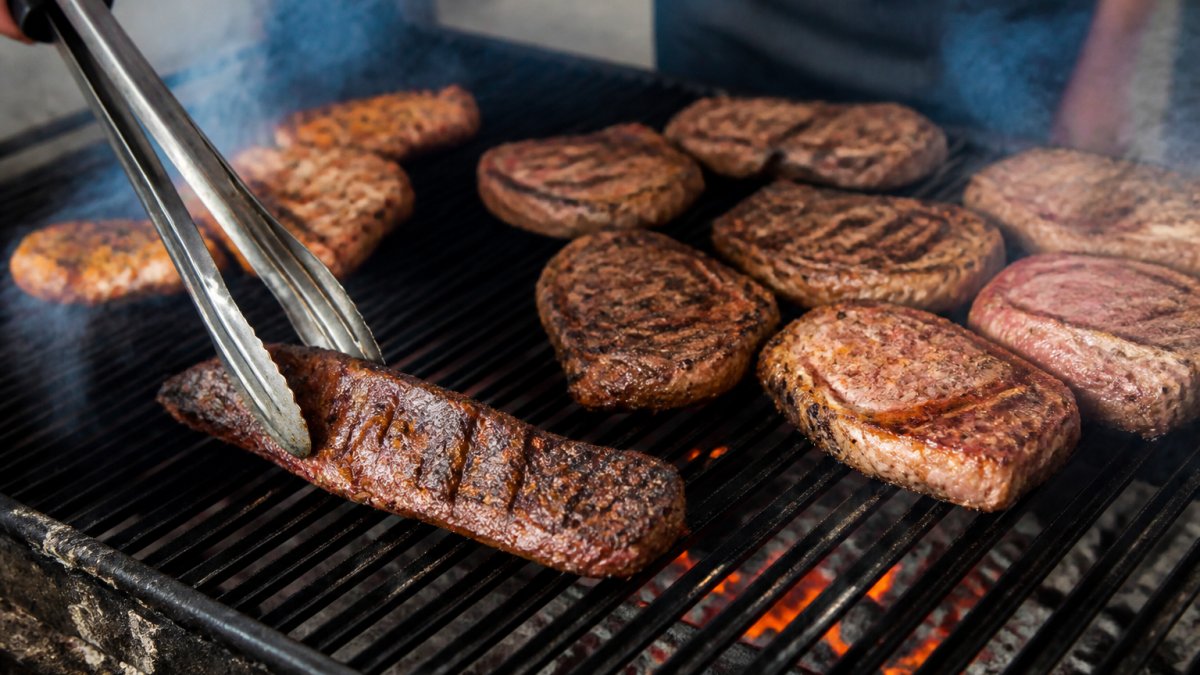
Grilling carne asada like a pro means high heat, thin cuts, and a fast sear. Skirt steak or flank steak works best because the marinade penetrates quickly and the meat cooks in minutes.
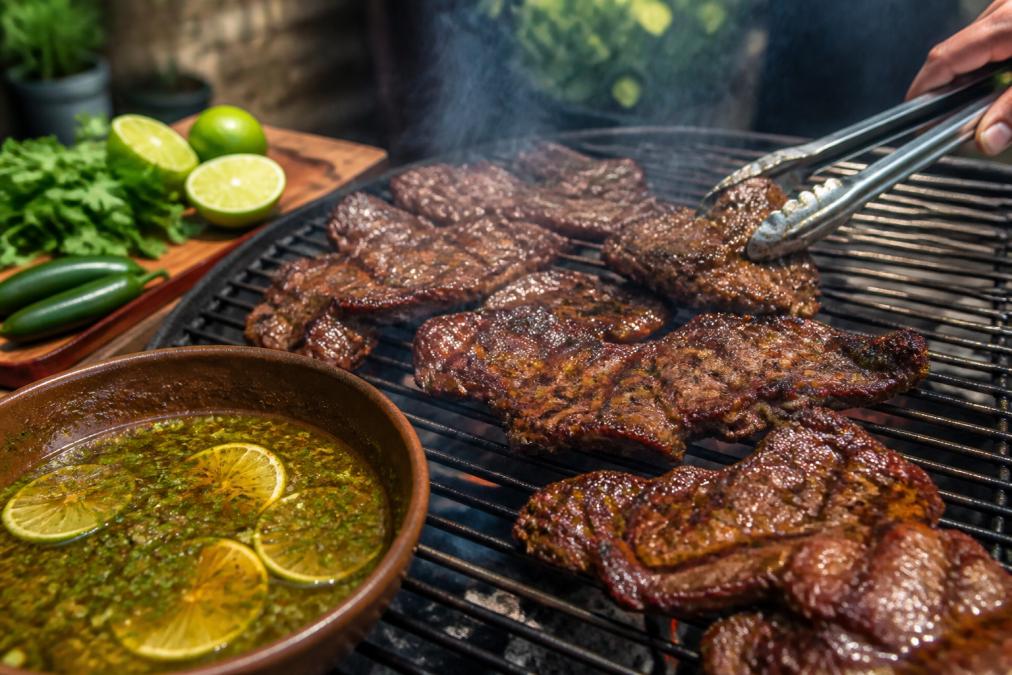
Step-by-Step Carne Asada on the Grill
- Marinate skirt steak for 4-12 hours in a chile-citrus blend
- Remove from marinade and pat dry
- Preheat grill to high heat, around 450-500°F
- Grill 3-4 minutes per side for medium-rare
- Rest 5 minutes, then slice against the grain
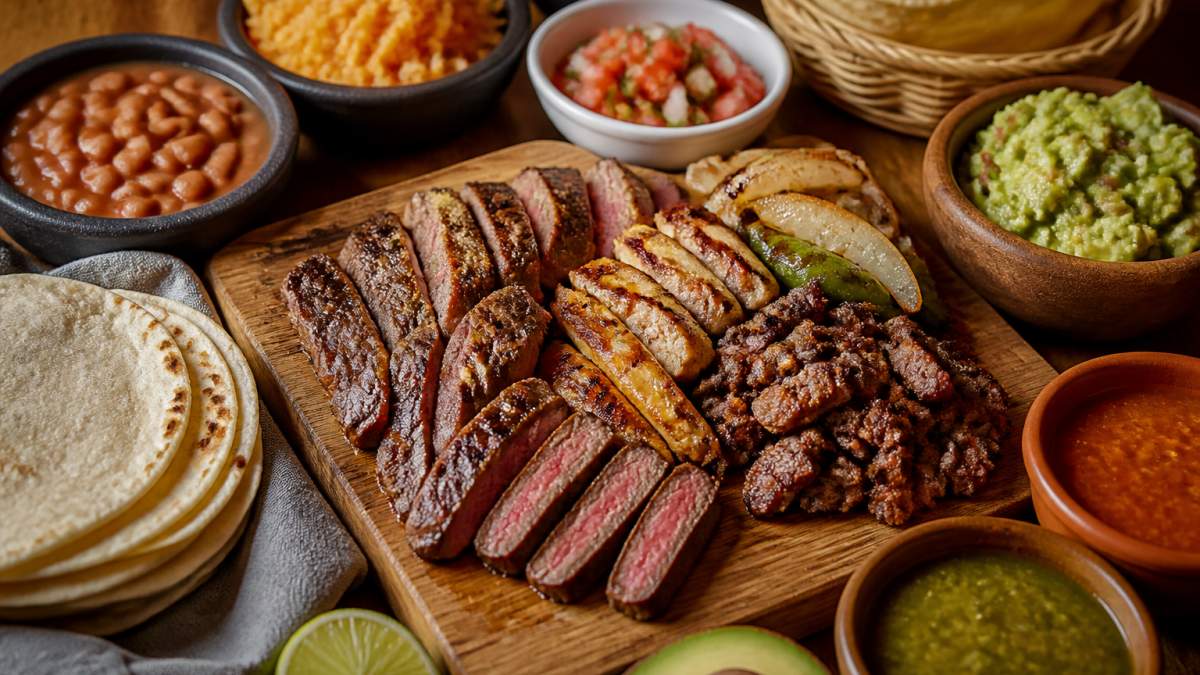
- Serve with warm corn tortillas, salsa, and lime
The char is what delivers the smoky, slightly bitter note that defines authentic flavor. Do not move the meat once it hits the grate.
How to Achieve Authentic Smoky Mexican Grill Flavor
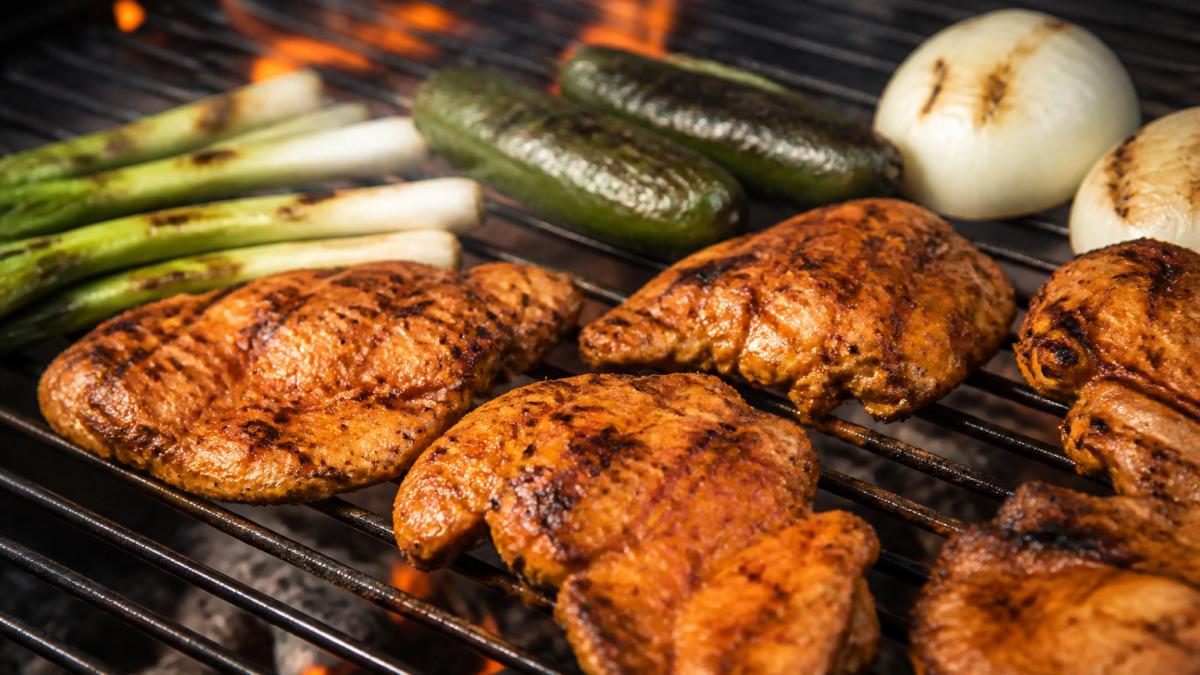
Authentic smoky Mexican grill flavor comes from three sources: charred chiles, live fire, and slow-roasted aromatics. Charring fresh chiles, tomatoes, and onions before blending adds a smoky base that no powder can replicate.
Equipment-Specific Flavor Profiles for Mexican Grilling
Equipment changes the flavor profile more than most people realize. Charcoal grills produce a smoky, slightly bitter char. Gas grills offer control but less smoke unless you add a smoker box.
Troubleshooting Bland Mexican Grill Flavor
Bland results usually trace to one of four problems: under-seasoned marinade, insufficient marinating time, low grill heat, or missing acid.
Sourcing Quality Ingredients for Authentic Mexican Flavor
Most home cooks blame their technique when a dish tastes flat. More often, the ingredients were already compromised before they hit the grill. This section covers how to spot the difference at the store, a step almost no competing guide walks through.
Dried Chiles: The Five-Second Test
A good dried chile is pliable, like a leather strap. Bend it and it should give without cracking. If it snaps, it has dried past the point where its oils are still viable and will taste like cardboard no matter how long you soak it.
Look for:
- Color: Deep, saturated red-brown for guajillo and ancho. Faded or dusty-looking chiles have oxidized.
- Smell: Sweet, raisin-like, slightly smoky. If it smells like dust or hay, walk away.
- Skin: Intact, no white powdery bloom (that is mold, not salt) and no pinholes from insects.
- Stem: Still attached and firm. Loose stems mean the chile was handled roughly and is likely older.
Dried vs. Fresh Chiles: When to Use Which
| Chile | Form | Flavor Character | Best Use |
|---|---|---|---|
| Poblano | Fresh | Grassy, mild heat | Rajas, chiles rellenos |
| Ancho | Dried poblano | Sweet, raisin, mild | Marinades, moles |
| Jalapeño | Fresh | Bright, vegetal heat | Salsas, grilling whole |
| Chipotle | Dried, smoked jalapeño | Deep smoke, medium heat | Adobo, al pastor |
| Guajillo | Dried | Fruity, tannic, mild | Carne asada marinade |
| Serrano | Fresh | Sharp, clean heat | Raw salsas, finishing |
A useful rule: fresh chiles bring brightness and crunch; dried chiles bring depth and sweetness. A marinade built only on fresh chiles tastes thin. One built only on dried chiles tastes heavy. The best carne asada marinades use both, dried guajillo for the base, a fresh serrano or jalapeño for the top note.
Spices: Read the Label, Not the Aisle
Mexican oregano (Lippia graveolens) is a different plant from Mediterranean oregano (Origanum vulgare). It has a citrusy, almost floral note with a hint of anise. If the jar just says "oregano," you are getting the Mediterranean version, and your marinade will taste Italian.
Meat: What to Look For
Skirt steak and flank steak are the traditional cuts for carne asada because their coarse grain absorbs marinade quickly and they cook in minutes over high heat. Look for:
- Marbling: Fine, even flecks throughout the muscle, not just a fat cap on one side.
- Color: Deep red, not brown or gray. Brown edges mean oxidation.
- Texture: Firm but yielding. If it feels spongy, it has been sitting too long.
Tortillas: The Forgotten Variable
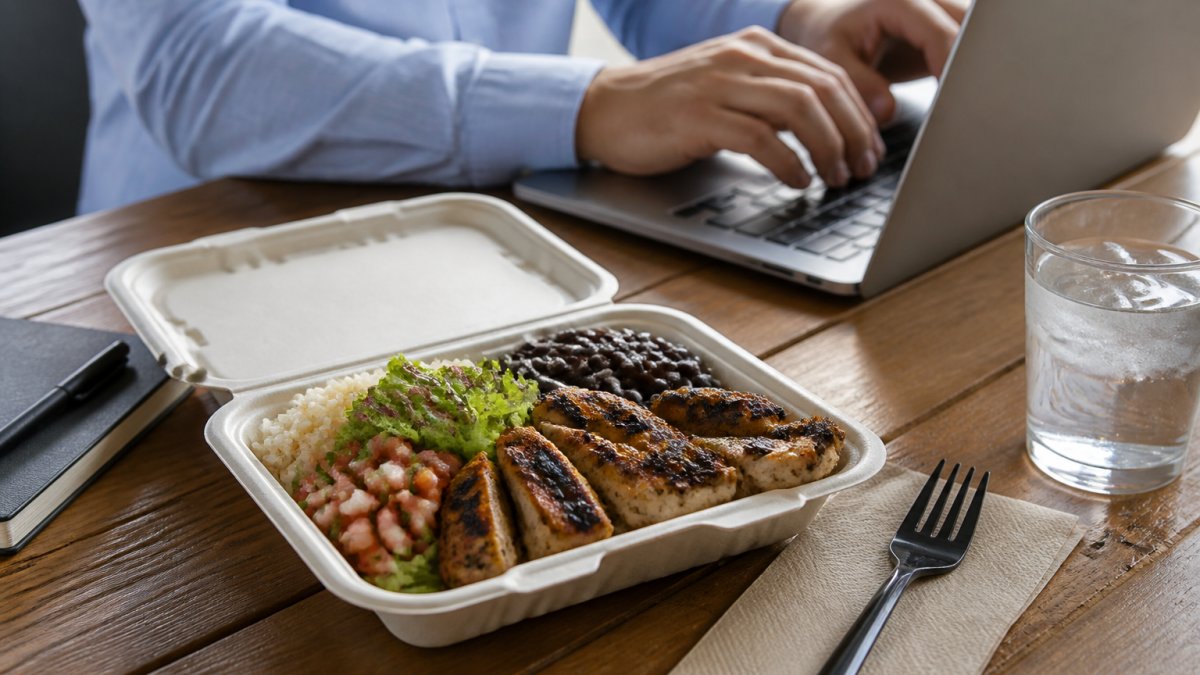
At El Gordo's Grill, locally sourced ingredients and a signature secret marinade anchor every dish. The result is bold, craveable flavor that holds up whether you eat it on-site or take it home.
Frequently Asked Questions
What are the essential spices for authentic Mexican grilling?
The core spices are Mexican oregano, cumin, coriander, allspice, and cloves. Dried chiles like ancho, guajillo, and chipotle en adobo provide the smoky, savory backbone. Achiote and annatto seed add earthy color and flavor. Toast whole spices in a dry pan before grinding to release their oils. This step alone can transform a bland rub into something that tastes like it came from a traditional Mexican grill.
How do you achieve authentic smoky flavors in Mexican grilled meats?
Smoke comes from three sources: the fuel, the marinade, and the technique. Use charcoal rather than gas for a deeper smoke ring. Chipotle en adobo and charred dried chiles in your marinade add smoky complexity before the meat even hits the grate. Cook over indirect heat with the lid closed so smoke circulates around the meat. A slow-roasted approach at moderate temperatures lets the smoke penetrate rather than just coating the surface.
What is the difference between Tex-Mex and authentic Mexican grill seasonings?
Tex-Mex leans heavily on cumin, garlic powder, and chili powder blends, often with a sweeter, milder profile. Authentic Mexican grilling uses whole dried chiles rehydrated into pastes, Mexican oregano instead of Mediterranean oregano, and acidic elements like sour orange or lime juice. The result is a more layered, smoky, and tangy flavor rather than a uniform spice blend. Neither is better, but they produce distinctly different results on the grill.
Which dried chiles are best for authentic Mexican marinades?
Ancho chiles bring mild sweetness and a raisin-like depth. Guajillo chiles add bright, tangy heat. Chipotle en adobo delivers intense smoke and moderate heat. Pasilla chiles contribute rich, earthy notes. For a balanced marinade, combine two or three varieties. Toast them briefly, rehydrate in hot water, then blend into a smooth paste. This paste becomes the savory cornerstone of your marinade and clings to meat better than dry rubs.
How does citrus acidity impact authentic Mexican grilled meat textures?
Citrus juice, typically lime, sour orange, or a blend, tenderizes meat by breaking down surface proteins. It also brightens the heavy, smoky flavors from dried chiles. But timing matters: marinate skirt steak or flank steak for 2 to 4 hours maximum. Longer than that and the acid starts to denature the meat, making it mushy rather than tender. Add citrus close to grilling time for a fresh squeeze that preserves texture.
What are the traditional aromatics used in Mexican barbecue?
Garlic and onion form the base, usually roasted or charred first to deepen their sweetness. Many marinades also include fresh cilantro stems, which add a grassy brightness without the soapy taste some people get from the leaves. Toasting the aromatics alongside dried chiles before blending creates a paste that tastes layered rather than raw. This step separates a quick weeknight marinade from one that tastes like it came from a traditional Mexican grill.
Consistent Mexican grill flavor comes down to sourcing, technique, and patience. If you want the real thing without the prep work, El Gordo's Grill delivers high-quality grilled meats with bold, craveable flavor, cooked to perfection using locally sourced ingredients and a signature marinade. Order ahead for weekday lunch specials or a weekend feast, and taste the difference for yourself.