 ultimate-guide
Authentic Mexican-Inspired Grilled Dishes to Try
Table of Contents
- Why Mexican Grilling Deserves a Spot in Your Rotation
- Traditional Mexican Grilling Techniques That Define the Flavor
- How to Grill Carne Asada Perfectly Every Time
- The Best BBQ Marinade for 2026: What to Look For
- Chicken, Seafood, and Vegetables: Beyond Beef on the Grill
- Salsas, Toppings, and Sides That Complete the Plate
- Building a Backyard Fiesta Menu for a Crowd
- Regional Twists and Dietary Options Worth Knowing
- Conclusion
- Frequently Asked Questions
Last Updated: September 28, 2026
Why Mexican Grilling Deserves a Spot in Your Rotation
Authentic Mexican inspired grilled dishes start with fire, not a sauce bottle. Cooks were grilling over open coals long before backyard barbecue became a weekend ritual, and that live-fire approach still defines the best carne asada, al pastor, and charred vegetable plates. This guide breaks down the techniques, marinades, and menus that make those dishes work at home, whether you're feeding two or a full backyard fiesta.
Most grilling guides treat Mexican food as a topping decision: load it with cheese, add salsa, done.
Traditional Mexican Grilling Techniques That Define the Flavor
Traditional Mexican grilling techniques come down to a few variables: distance from the fire, fuel, marinade time, and the supporting elements, tortillas, chiles, and salsas, that finish the plate.
Direct vs. Indirect Heat: When to Use Each
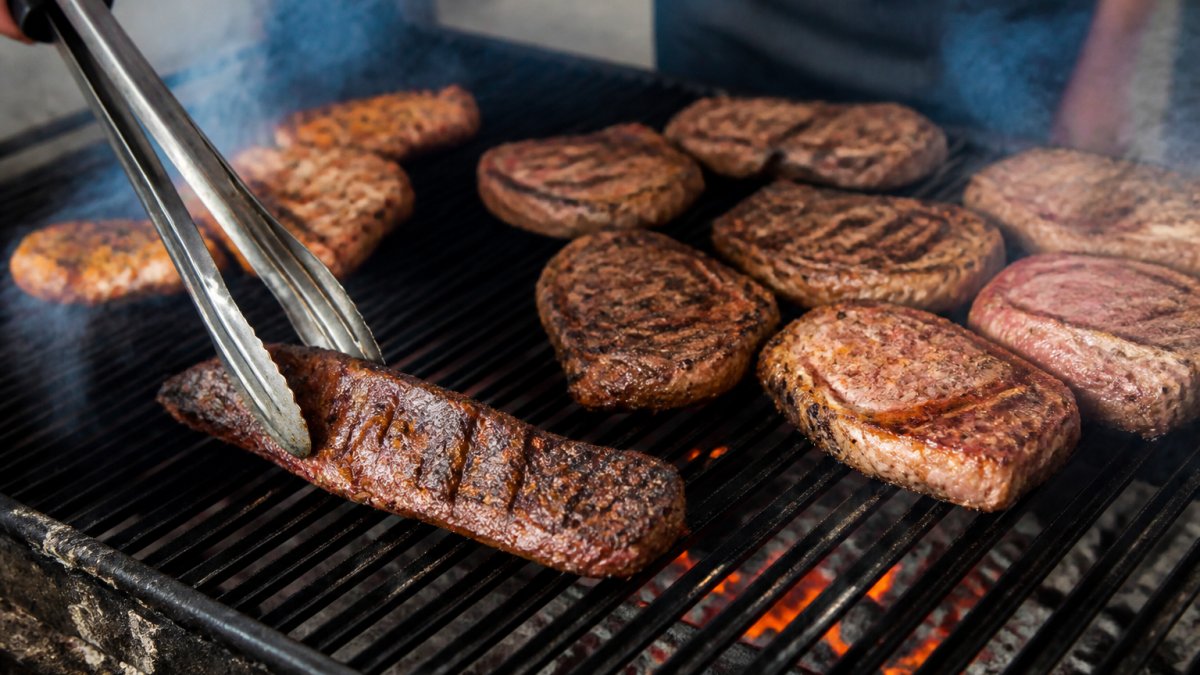
Direct heat is for anything thin and fast: skirt steak, chicken cutlets, sliced vegetables, chorizo. Aim for 450 to 550°F at the grate to get a hard sear and grill marks in a few minutes per side.
Charcoal, Wood, and the Case for Smoky Flavor
Charcoal gives you higher heat and a cleaner char than gas. Add soaked wood chips for the smoky layer that makes al pastor and carne asada taste like they came off a street cart. Mesquite is the traditional fuel in northern Mexico and burns hot and fast; oak is gentler.
Marinade Timing: The Variable Most Guides Ignore
How long a marinade sits matters as much as what's in it. A citrus-heavy marinade left on skirt steak for 12 hours breaks down the surface and turns the meat mushy; the sweet spot for thin cuts is two to four hours. Thick cuts like pork shoulder or chicken thighs can handle overnight.
Toasting Chiles and Charring Salsas
Two techniques separate a competent grilled plate from a great one, and both happen off the main fire.
Warming Tortillas the Right Way
Corn tortillas should be warmed directly over the fire, 20 to 30 seconds per side over medium coals, until they puff slightly and pick up char marks. Stack them in a clean towel to steam and stay pliable. A microwave makes them rubbery; a dry skillet misses the char.
How to Grill Carne Asada Perfectly Every Time
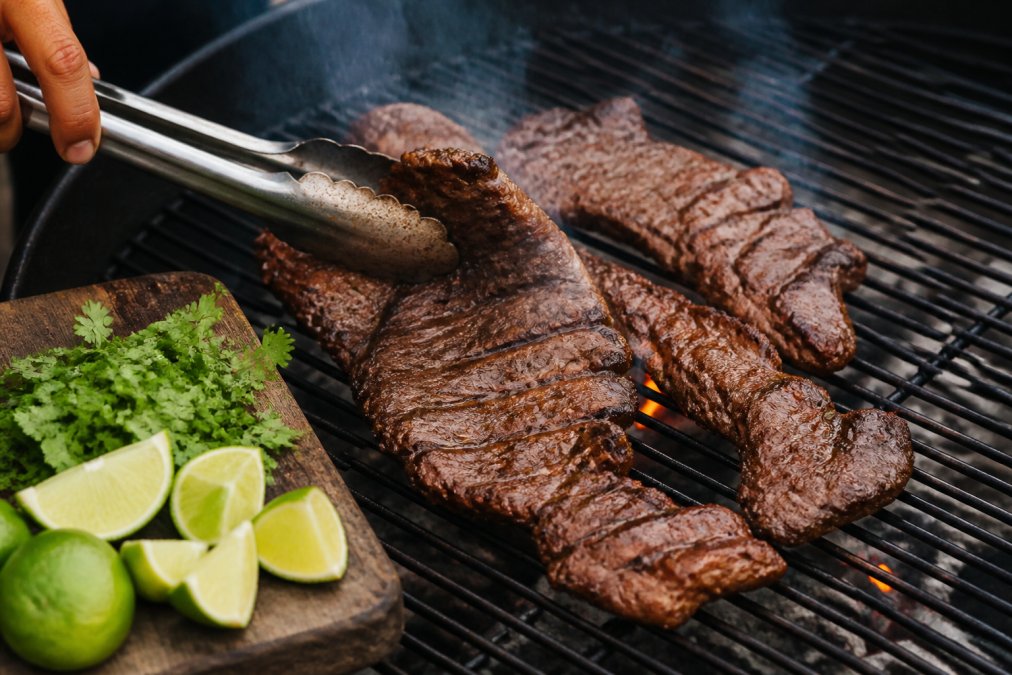
For carne asada, the method is simple: sear skirt steak over very high direct heat, two to three minutes per side, then rest it before slicing against the grain. The variables are in the prep.
Choosing and Prepping Skirt Steak
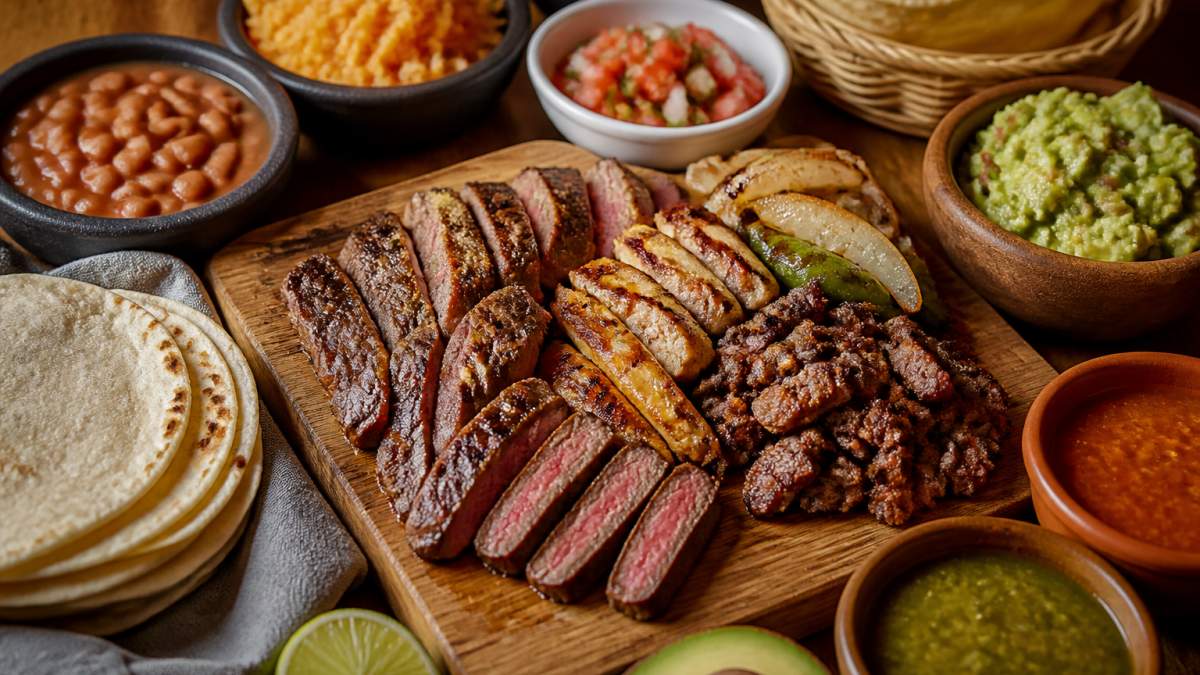
Skirt steak is the classic cut for carne asada: thin, heavily marbled, and quick to soak up marinade. Look for good marbling and minimal silver skin, trim any tough membrane, then marinate in citrus for at least two hours, ideally overnight. The acid tenderizes; the chile and garlic do the rest.
Searing, Resting, and Slicing for Street Tacos
Pat the steak dry before grilling, wet meat steams instead of sears. Rest it five minutes off the fire, then slice thin against the grain. Pile it into warm corn tortillas with cilantro, onion, and lime for street tacos that hold their own against any taqueria.
The Best BBQ Marinade for 2026: What to Look For
The best BBQ marinade for 2026 balances acid, salt, and smoke-friendly sugar. Skip anything mostly high-fructose syrup, sugar burns before the meat cooks through.
Look for three things:
- An acid base: lime, orange, or vinegar
- A chile backbone: chipotle, chile de arbol, or guajillo for depth
- A salt source: soy, Worcestershire, or straight kosher salt
Add a tablespoon of orange juice to any citrus marinade. It adds a mild sweetness that rounds out the acid without turning the meat mushy the way a long lime-only soak can.
Chicken, Seafood, and Vegetables: Beyond Beef on the Grill
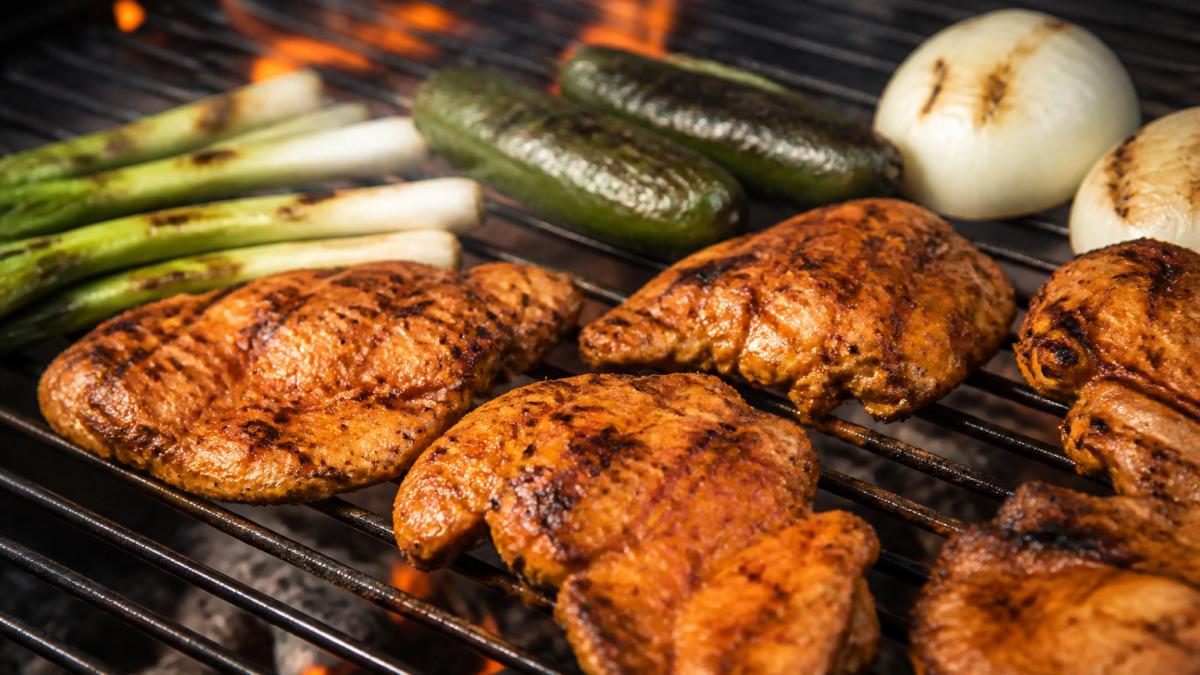
Beef gets the spotlight, but chicken, seafood, and vegetables carry a Mexican-inspired grill menu just as well. Chicken thighs hold up better than breasts over charcoal because the extra fat keeps them from drying out. Marinate in ancho chile and lime, grill indirect first, then finish over direct flame for char.
Salsas, Toppings, and Sides That Complete the Plate
A grilled dish is only as good as what goes on top. Salsa verde, made from roasted tomatillos, brings a tartness that cuts rich grilled meat; guacamole adds cool contrast; pickled red onions and fresh cilantro finish the plate without weighing it down.
Building a Backyard Fiesta Menu for a Crowd
Planning a backyard fiesta menu for a crowd is mostly about timing, not quantity. Pick one main protein, one secondary, and two grilled vegetable sides. That combination feeds a group without overwhelming your grill.
| Course | Dish | Grill Zone | Timing |
|---|---|---|---|
| Main | Carne asada skirt steak | Direct, high heat | 2-3 min per side |
| Secondary | Chicken thighs, ancho marinade | Indirect, then direct | 20-25 min total |
| Vegetable | Charred poblano and corn | Direct | 8-10 min |
| Topping | Salsa verde and guacamole | No grill | Make ahead |
Regional Twists and Dietary Options Worth Knowing
Two things most grilling guides skip: regional variation and dietary flexibility. The same cut of meat tastes completely different depending on the regional tradition you pull from, and those marinades and salsas translate cleanly to plant-based and gluten-free plates.
Northern Mexico: Open Flame and Beef
The northern states built their grilling identity around cattle ranching, and the style is spare: mesquite or oak coals, a thick cut of beef, salt, and fire. Carne asada asado-style, sometimes called carne asada a la parrilla, is the anchor. Marinades are restrained, often just lime, garlic, salt, and maybe dried chile powder, letting the beef and smoke do the talking.
Yucatan: Achiote and Citrus
Move south to the Yucatan and the flavor profile flips. Achiote paste, ground annatto seed blended with sour orange, garlic, oregano, and spices, is the signature marinade, staining grilled chicken, pork, and fish a deep rust-orange. Pollo pibil is the most famous example, traditionally pit-cooked, but the same achiote-and-sour-orange marinade works beautifully on a covered grill over indirect heat. No sour orange (also sold as Seville orange)?
Oaxaca: Chiles, Herbs, and Complexity
Oaxaca is the chile capital of the country, and its grilling reflects that. Marinades and rubs lean on guajillo, pasilla, and chile de arbol, often toasted and rehydrated before blending. Chapulines (toasted grasshoppers) and quesillo show up as toppings, and the signature tlayuda, a large, thin, grilled tortilla loaded with beans, cheese, and meat, is essentially a grilled flatbread worth building a cookout around.
Coastal Regions: Fish, Citrus, and Fire
Along the Pacific and Gulf coasts, grilling tilts toward seafood. Whole snapper, shrimp, and octopus get a quick citrus-and-garlic bath, then hit a hot grate for a few minutes per side. Pescado a la talla, a butterflied fish brushed with chile-and-vinegar marinade and grilled over coals, is the classic.
Dietary-Inclusive Grilling: Same Fire, Different Plate
The good news for gluten-free, keto, or plant-based eaters is that almost every marinade and salsa here is already compliant. Achiote paste, chile powders, lime, garlic, and vinegar are naturally gluten-free and low-carb. Corn tortillas are gluten-free by default; flour tortillas are not. For keto, skip the tortilla and serve grilled meat over charred cabbage or grilled romaine.
A few practical notes:
- Gluten-free: Check your Worcestershire sauce and soy sauce labels, both often contain wheat. Tamari is a reliable gluten-free swap for soy.
- Keto: Skip the sugar in marinades; the acid and chile carry enough flavor on their own.
- Vegan: Confirm your refried beans are made with oil rather than lard, and use a plant-based crema or a cashew-lime sauce in place of sour cream.
Conclusion
Grilling authentic Mexican inspired dishes rewards technique more than equipment. Control your heat zones, respect the marinade, and rest your meat before slicing, and you'll get results that rival any restaurant plate.
Frequently Asked Questions
What are some popular Mexican grilled dishes?
Carne asada tops the list, followed by al pastor pork, grilled chorizo, and fajita-style peppers and onions. Seafood fans gravitate toward grilled shrimp with chile de arbol and charred fish tacos. Vegetable sides like grilled corn with cotija and poblano rajas round out the plate. Many of these dishes share the same building blocks: a citrus-based marinade, a dry rub, and a hot fire that creates a smoky, charred crust.
What defines authentic Mexican grilling techniques?
Mexican grilling leans on high direct heat for quick searing, often over charcoal or wood to build smoky flavor. Marinades typically use citrus, garlic, and dried chiles rather than sugar-heavy barbecue sauces. Cooks rely on instinct and visual cues, flipping once, letting the meat rest, and finishing with fresh lime and cilantro. It is less about low-and-slow smoking and more about fast, hot, and flavorful.
What are the best cuts of meat for Mexican-style grilling?
Skirt steak and flank steak are the go-to cuts for carne asada because they absorb marinade well and cook fast over high heat. Chicken thighs hold up better than breasts on the grill. For pork, shoulder and butt work for al pastor-style dishes. Chorizo brings its own bold seasoning. Each cut benefits from a citrus-based marinade and a quick sear followed by a short rest before slicing against the grain.
How does Mexican grilling differ from traditional American BBQ?
American BBQ often means low-and-slow cooking with sweet, tomato-based sauces. Mexican grilling favors high heat, shorter cook times, and bright, acidic marinades built on lime, orange, and dried chiles. You will not find heavy molasses glazes here. Instead, expect charred edges, smoky undertones, and fresh toppings like salsa verde, guacamole, and chopped cilantro. The result is a lighter, brighter flavor profile that still delivers deep grill marks and satisfying char.