 ultimate-guide
Grilled Meat Guide: Recipes, Temps & Techniques
Table of Contents
- What Makes Great Grilled Meat
- Best Meats to Grill: From Beef to Seafood
- Meat Marinade for Grilling: Flavor That Sticks
- Grilling Meat Temperatures: Doneness and Safety
- How Long to Grill Meat: Timing by Cut and Heat
- Essential Grilling Recipes for Every Skill Level
- Seasoning, Searing, and Serving Grilled Meat
- Troubleshooting Common Grilling Problems
- Frequently Asked Questions
Last Updated: October 20, 2026
What Makes Great Grilled Meat
Exceptional grilled meat comes down to three fundamentals: heat control, timing, and respect for the cut.
At El Gordo's Grill, we've built our reputation on understanding how each cut behaves over fire. A ribeye demands different heat than a chicken breast; pork ribs need a different approach than salmon.
Temperature matters more than technique. Perfect grill marks and a flavorful marinade can't rescue meat cooked to the wrong internal temperature.
The best grilled meat also respects carryover cooking: a steak pulled at 130°F reaches 135°F while it rests, which prevents overcooking out of fear of serving it underdone.
Best Meats to Grill: From Beef to Seafood
Not all cuts perform equally on the grill; success depends partly on matching the meat to your skill level and grill setup.
Beef: Steak, Flank, and Rib-Eye
Beef steaks are the foundation of grilled meat mastery. The best steaks for grilling have sufficient marbling, the fat running through the meat that keeps it juicy as it cooks.
Rib-eye is the go-to for consistent results; its fat content means you can't easily dry it out, and a 1.5-inch steak cooks over direct heat in about 4-5 minutes per side for medium-rare.
The common mistake with beef is cooking it too hot for too long: high heat creates a beautiful crust but can push the inside past your target doneness. Start beef at room temperature and season generously just before grilling.
Pork: Ribs and Chops
Pork ribs are where indirect heat becomes essential: direct heat would char the outside before the inside reaches temperature. Plan on 3-4 hours of slow, steady heat for a full rack.
Pork chops are faster: a 1-inch chop cooks through in about 6-8 minutes over medium heat. The mistake most people make is cooking pork too long. Modern pork is safe at 145°F, where it stays juicy and tender; past 160°F you've got dry, tough meat.
Ribs and chops both benefit from a dry rub applied hours before grilling, so the salt seasons the meat throughout.
Chicken, Lamb, and Fish
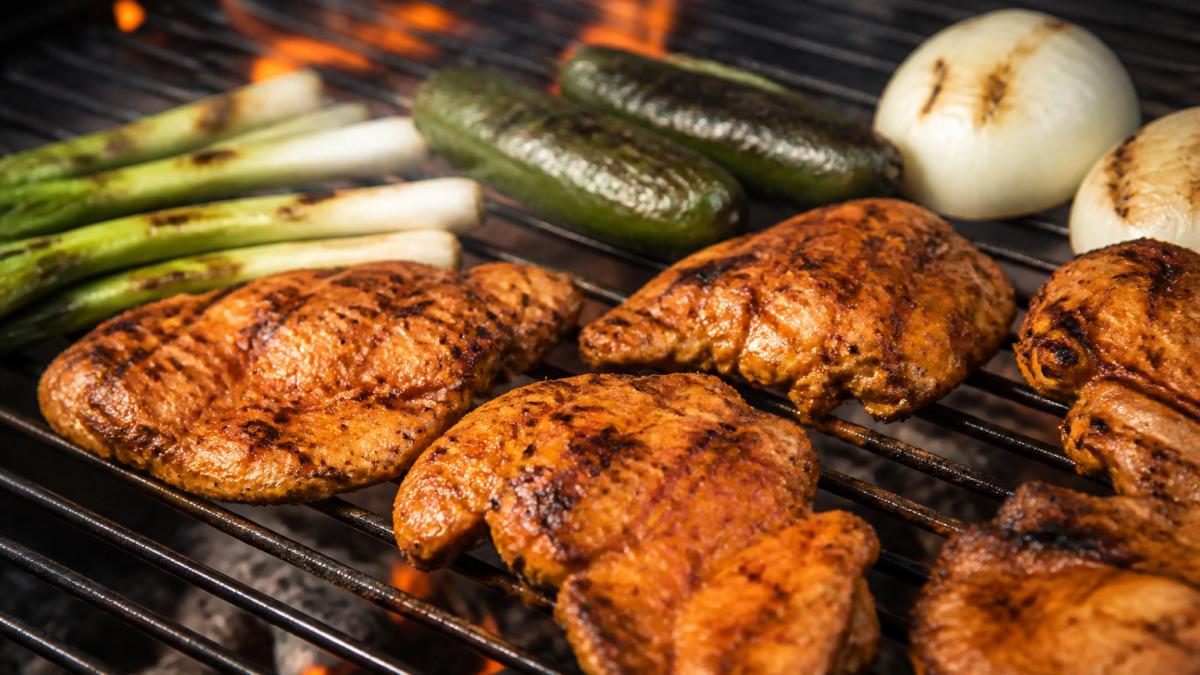
Chicken requires careful heat management because the meat is lean. Bone-in, skin-on thighs stay juicier and more forgiving than breasts. Use medium heat and don't rush: chicken needs to reach 165°F internally, and rushing burns the outside before the inside is done.
Lamb takes to the grill beautifully. Kebabs cook over medium-high heat in about 10-12 minutes total; chops take just 3-4 minutes per side.
Fish is the most delicate grilled meat option. Fatty fish like salmon and mahi-mahi handle direct heat well; delicate fish like sole or flounder need indirect heat or foil. A salmon fillet takes 6-8 minutes total.
Meat Marinade for Grilling: Flavor That Sticks
A good marinade does two things: adds flavor and keeps meat moist. The acid (vinegar, citrus, wine) breaks down muscle fibers so the meat absorbs flavor, while oil carries fat-soluble flavors and prevents drying out.
The signature approach at El Gordo's Grill combines acid, oil, and bold seasonings: three parts oil to one part acid, plus garlic, herbs, and spices.
If you want to baste with the same marinade, reserve a portion before the raw meat touches it. Discard the portion that contacted raw meat, since bacteria can survive in it.
Too much salt draws moisture out if applied too early; too much acid turns the outside mushy.
Grilling Meat Temperatures: Doneness and Safety
Internal temperature is the only reliable way to know if grilled meat is done. Color, firmness, and timing are all less accurate than a meat thermometer.
Internal Temperature Chart
| Meat Type | Target Temperature | Carryover Adjustment |
|---|---|---|
| Beef (rare) | 125°F | Pull at 120°F |
| Beef (medium-rare) | 135°F | Pull at 130°F |
| Beef (medium) | 145°F | Pull at 140°F |
| Pork chops | 145°F | Pull at 140°F |
| Pork ribs | 190-203°F | Pull at 185°F |
| Chicken (all cuts) | 165°F | Pull at 160°F |
| Lamb chops | 130°F | Pull at 125°F |
| Salmon | 145°F | Pull at 140°F |
| Other fish | 145°F | Pull at 140°F |
These temperatures account for meat continuing to cook after removal from heat; the carryover adjustment shows what temperature to pull the meat at so it reaches the target after resting.
Food Safety and Cross-Contamination
Raw and cooked meat require separate handling. Use one cutting board and set of utensils for raw meat and a different set for cooked. Never place cooked grilled meat back on a plate that held raw meat unless it's been washed.
Marinades that contact raw meat should not be used for basting or serving unless heated to 165°F first, which kills pathogens. Reserve a portion before the raw meat touches it to prevent foodborne illness.
Wash your hands after handling raw meat and clean any surfaces it touched.
How Long to Grill Meat: Timing by Cut and Heat
Cooking time depends on three variables: meat thickness, heat level, and whether you're using direct or indirect heat.
Direct vs. Indirect Heat Setup
Direct heat means the meat sits directly over the flame or coals, creating the high-temperature sear that produces grill marks and crust.
Indirect heat means the meat sits beside the heat source with the lid down, so heat circulates like an oven. It cooks more slowly and evenly, ideal for thick cuts and for finishing meat that's already seared.
The best approach for most grilled meat combines both. Sear over direct heat for 2-3 minutes per side to build crust, then move to indirect heat to finish without burning the outside. This two-zone setup separates consistent results from hit-or-miss grilling.
Cooking Times by Meat Type
Pork ribs: 3-4 hours indirect heat at 225-250°F, with sauce applied in the last 30 minutes if desired.
Pork chops (1 inch thick): 6-8 minutes total over medium heat, direct heat, about 3-4 minutes per side.
Chicken breasts: 12-15 minutes total, starting over direct heat for 3-4 minutes per side to sear, then finishing over indirect heat.
Chicken thighs: 15-20 minutes total, similar sear-then-finish approach, but thighs tolerate direct heat longer because they're thicker and fattier.
Lamb chops: 3-4 minutes direct heat per side for medium-rare.
Salmon fillets: 6-8 minutes total, skin-side down over medium heat, no flipping required.
These times assume room-temperature meat and a well-prepped grill.
Essential Grilling Recipes for Every Skill Level
The best way to learn grilled meat technique is to practice with recipes that match your current skill level.
Beginner-Friendly: Hamburgers and Hot Dogs
Hamburgers teach you heat control and timing without requiring expensive cuts. Use 80/20 ground beef, form loose 3/4-inch patties, and make a small indent in the center with your thumb to prevent uneven cooking.
Season just before grilling. Grill over medium-high heat for 3-4 minutes per side for medium doneness. Don't press down on the burgers, this squeezes out juice and dries them out. A burger is done when it reaches 160°F internally.
Hot dogs are even simpler: they're already cooked, so you're just heating them through and adding color. Grill over medium heat for about 5 minutes total, turning occasionally, aiming for light char marks, not burnt skin.
Intermediate: Marinated Chicken and Salmon
Marinated chicken teaches you how to build flavor and manage lean meat. Use bone-in, skin-on thighs, marinated 4-6 hours in olive oil, lemon juice, garlic, and herbs. Grill skin-side down first over medium heat for 6-7 minutes to render the fat and crisp the skin, then flip and finish over indirect heat for another 8-10 minutes until the internal temperature reaches 165°F.
Salmon is forgiving because the fat keeps it moist. A simple marinade of olive oil, soy sauce, ginger, and garlic works beautifully. Grill skin-side down over medium heat for 6-8 minutes; the skin protects the delicate flesh underneath, so don't flip.
Advanced: Slow-Grilled Ribs and Lamb Kebabs
Pork ribs demand patience and technique. Remove the membrane from the back of the ribs. Apply a dry rub generously and let it sit for at least 2 hours. Set up your grill for indirect heat at 225-250°F.
Lamb kebabs combine marinating, skewering, and direct-heat grilling. Marinate 1.5-inch lamb chunks for 4-6 hours in a bold marinade with cumin, paprika, and garlic. Thread onto skewers, leaving small gaps between pieces so heat reaches all sides.
Seasoning, Searing, and Serving Grilled Meat
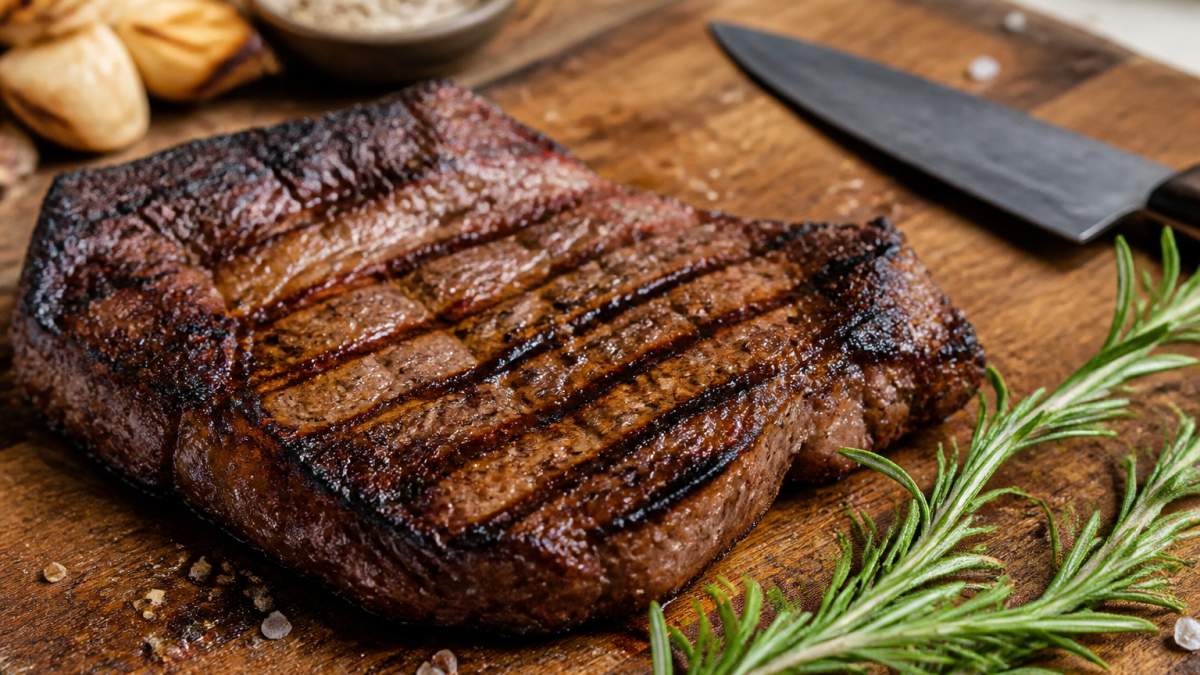
The visible crust on grilled meat is where most of the flavor lives. It forms through the Maillard reaction, where amino acids and sugars combine under high heat to create hundreds of new flavor compounds (Maillard Reaction: Mechanism, Influencing Parameters, Advantages, Disadvantages, and Food...). This is why grilled meat tastes different from meat cooked in a pan or oven, even at the same internal temperature.
Dry Rubs and Sauce Application
A dry rub applied hours before grilling penetrates the meat and seasons it throughout. Salt is essential, drawing moisture to the surface to concentrate flavors; add sugar for browning, spices for depth, and herbs for aroma. Apply generously, refrigerate at least 2 hours, then remove 30 minutes before grilling so the meat reaches room temperature.
Sauce is best applied in the final minutes of cooking; applied too early, it burns and tastes bitter. Brush it on during the last 5-10 minutes, depending on thickness and grill heat. For multiple coats, apply the first, let it set a minute, then apply the second.
Achieving Grill Marks and Char
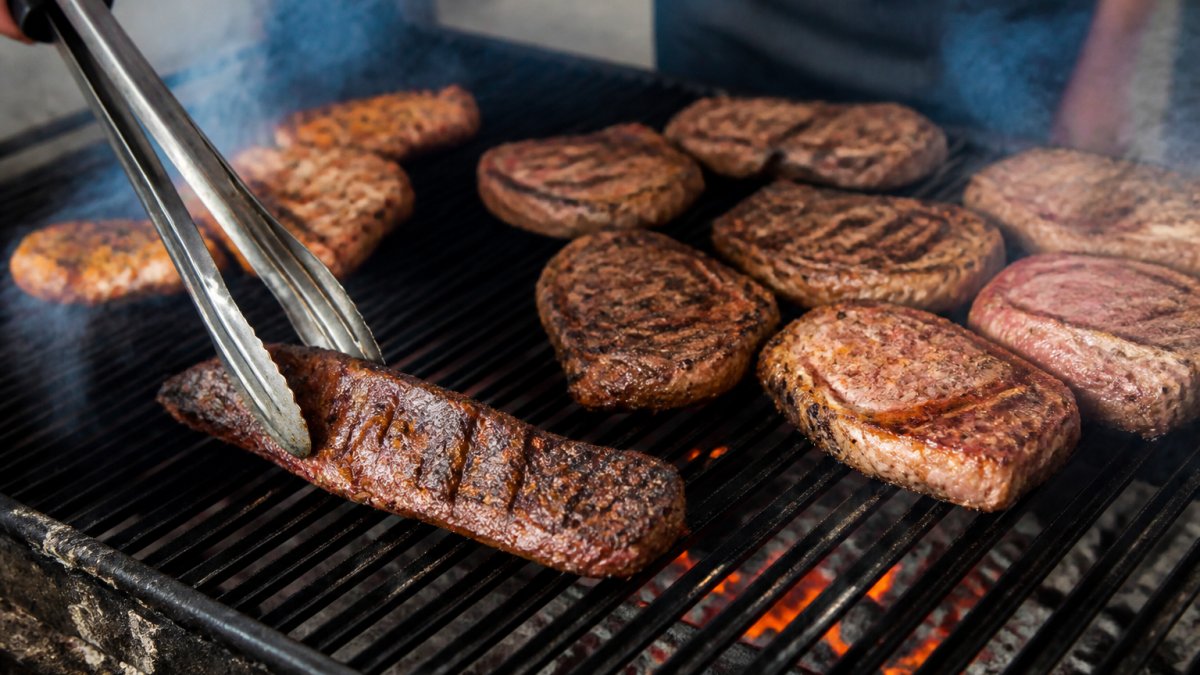
Grill marks come from direct contact with hot grill grates. To get clean marks, don't move the meat once it hits the grill: let it sit 3-4 minutes, then rotate 45 degrees without flipping to create the crosshatch pattern.
Char, the dark, almost blackened spots on the surface, adds depth to the flavor. A little char is desirable; too much tastes burnt and bitter. The line between perfect char and burnt is thin and depends on grill heat, medium-high usually hits the sweet spot.
Resting and Slicing for Juiciness
Resting is the step most people skip and the step that makes the biggest difference. After grilled meat reaches target temperature, let it rest 5-10 minutes (longer for thicker cuts like ribs) so the muscle fibers relax and reabsorb juices. Cut in immediately and those juices run out onto the plate.
Slice against the grain for maximum tenderness. Slicing perpendicular to the muscle fibers makes them shorter and easier to chew. For flank steak especially, slice with the grain and it's tough, slice against it and it's tender.
Troubleshooting Common Grilling Problems
Grilled meat problems usually trace back to temperature control, timing, or technique; identifying which one is wrong lets you fix it.
Meat is dry. This usually means overcooking. Cook to target temperature and stop.
Meat is undercooked in the middle but burnt on the outside. Your heat is too high. Lower it and cook longer.
Meat sticks to the grill. Your grates aren't clean or hot enough.
Flare-ups and flames. This happens when fat drips onto coals or the burner. Keep a spray bottle of water nearby to extinguish flames quickly.
Uneven cooking. Most grills have hot and cold spots.
Grilled meat mastery isn't complicated, but it requires understanding the fundamentals and practicing them consistently.
Frequently Asked Questions
What meats are best to grill?
Beef steaks (rib-eye, strip, flank), pork ribs and chops, chicken breasts and thighs, lamb, and fatty fish like salmon and mahi-mahi all grill well. Choose cuts with enough marbling or fat to stay juicy. Beginners should start with hamburgers and hot dogs before moving to whole steaks or delicate fish.
Should you marinate meat before grilling?
Marinating adds flavor and can tenderize tougher cuts. A good meat marinade for grilling combines acid (vinegar, citrus), oil, and seasonings. Don't marinate too long or the acid can break down the meat's texture.
How do you know when grilled meat is done?
Use a meat thermometer for accuracy. Beef steaks reach medium-rare at 135°F, medium at 145°F. Pork should reach 145°F, chicken 165°F, and fish 145°F. The Maillard reaction creates a flavorful crust, but internal temperature ensures food safety.
How long does grilled meat take to cook?
Cooking time depends on cut thickness, grill temperature, and whether you use direct or indirect heat. Thin steaks take 4-6 minutes per side; thicker cuts need 10-15 minutes. Ribs on indirect heat require 2-3 hours. Always check internal temperature rather than relying on time alone for consistent results.